35 years of Axis: staff memories
We asked the team for the moments they remember best. Here's what they said, from a Venice Biennale trip to a cold lunch and a hunt for microwaves.

The Axis team celebrating with cake
Lucy Wright
Social Producer / Deputy Director
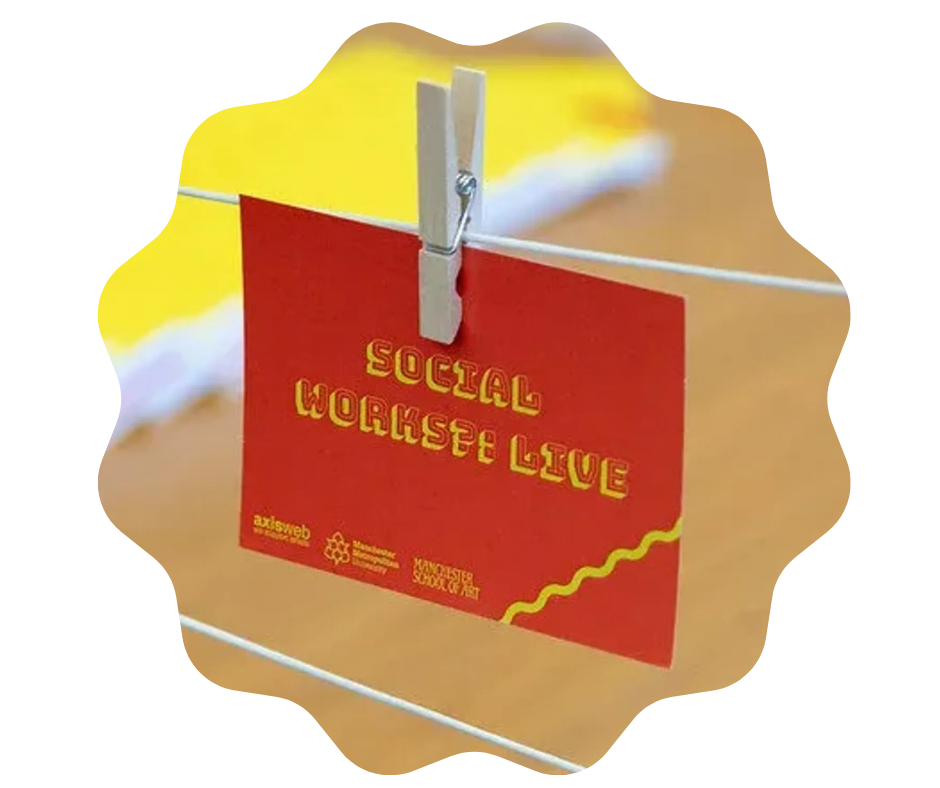
I joined Axis at the start of 2019, appointed to help complete the Axis x Innovate UK project, ‘Models of Validation in social practice art’ with Manchester School of Art. One of my first tasks was to organise and host an in-person event for 130+ artists, aimed at advancing the conversation around art, collaboration and care. It was an intense, chaos-filled day, with performances, talks, Q&As and workshops, and participants arriving from all over the country—and the world!
There were a few hiccups—like when the ‘hot food’ lunch arrived cold and I had to run around the university commandeering as many microwaves as I could get my hands on—but it was an affirming, productive day. By the end of it I’d decided that I wanted to continue my career in the arts—and was so grateful when Axis decided to make me a permanent member of staff a few months later. I couldn’t have asked for a better place to work, nor more supportive colleagues.
Happy Birthday Axis, you’re the best!
Julian Lister
Directory Coordinator and Media Producer
One of my fondest memories was visiting the 54th Venice Biennale in 2011 with Axis. Whilst there we captured some video vox-pops from attendees to get their impressions of the event and recommendations of what to see. This was not only the first time I had visited Italy but also one of the first times I filmed something on a DSLR camera which I’d purchased that same year.
Visiting such a sensory-overloading place like Venice prompted a bit of a ‘Proustian’ moment for me as I had a very strange feeling that I’d been there before. Something about the combination of hot weather, grand old buildings and vintage posters of biennales past on the walls of the apartment where we were staying all felt very familiar. As a child of the 70s, maybe it took me back to the blazing hot summer of 1976…
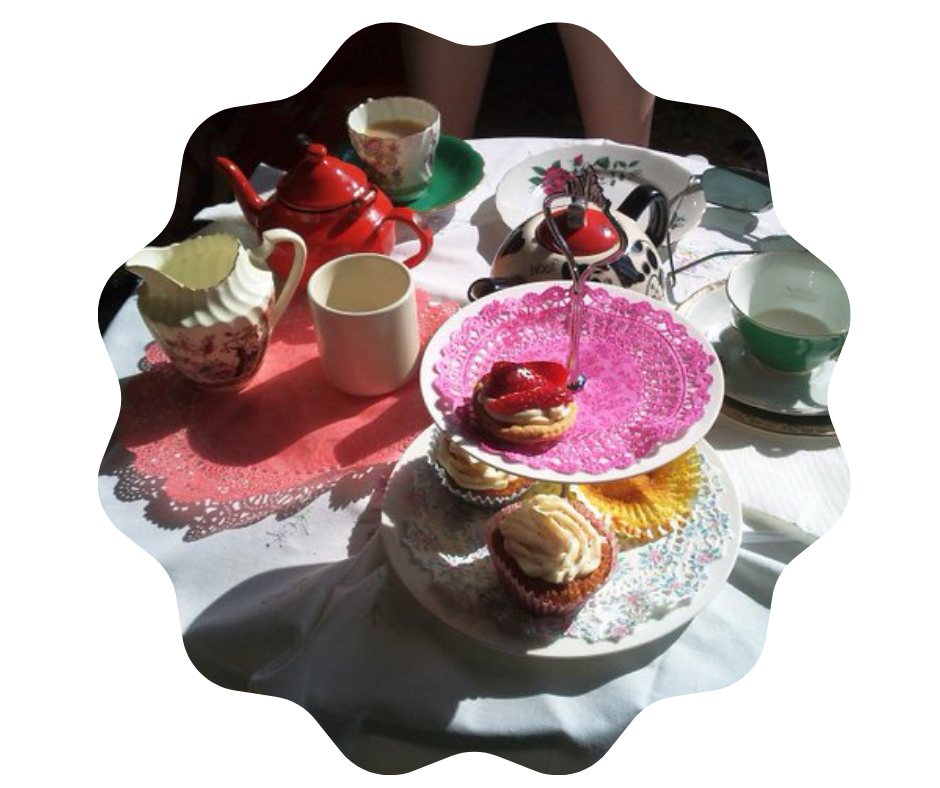
One of the many collateral events we attended was the brilliant ‘Afternoon Tea’, a pop-up tea room and exhibition hosted by WW Gallery and staged in an apartment overlooking a beautiful Venetian campo.
Paisley Randell Shillabeer
Communications Producer
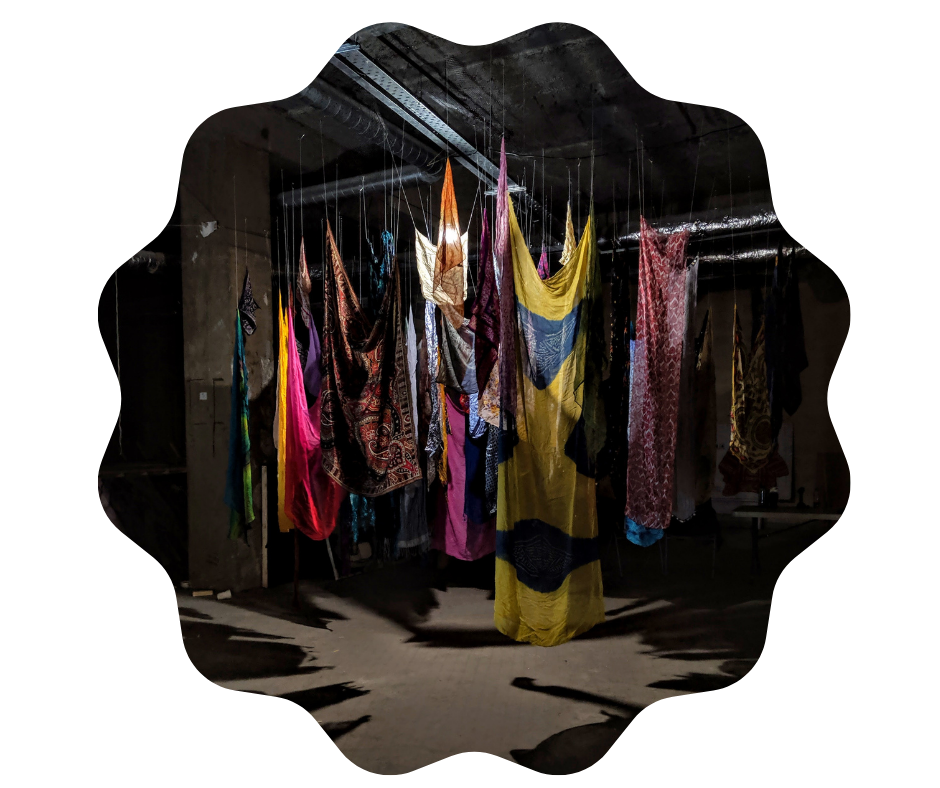
One of my favourite memories has to be experiencing what grew out of a residency I attended at SHIFT Cardiff in 2019, and the opportunities that followed, thanks to Axis's Vacant Space scheme. Having now experienced the initiative first-hand through the development of my own artist-led organisation, Cardiff Umbrella CIC, I know how transformative access to a vacant space can be. What began as a short-term residency became the catalyst for an effort that supported artists, developed my personal curatorial practice and built longstanding community for years after. It provided not just a physical space, but fostered confidence, visibility and freedom for many to experiment without the pressures that often come with traditional venues.
The scheme shaped my career in ways I couldn’t have anticipated; I built relationships across the arts that have become lifelong collaborations, formed partnerships with organisations I may never otherwise have connected with, and made friendships that I continue to value deeply. Those experiences eventually led me to work for Axis, something I feel incredibly proud of, and have given me a unique perspective on the lasting impact the organisation can have.
Emma Copley
Community Producer
My favourite thing about working for Axis over the last five years has been getting to know our members well, and offering them support on our dedicated member’s platform, Axis Community. Bringing together experts in the visual arts alongside members of the Axis team each month to offer members critical friend conversations has been a reciprocal learning process and allowed us to really get to know our members and identify areas where they need the most support. Facilitating our monthly drawing club is a joy, and guiding group crits, and member led events like the recent talk by Anna Falcini around the work of Gwen John is helping guide how we shape our online community to become mostly artist-led.
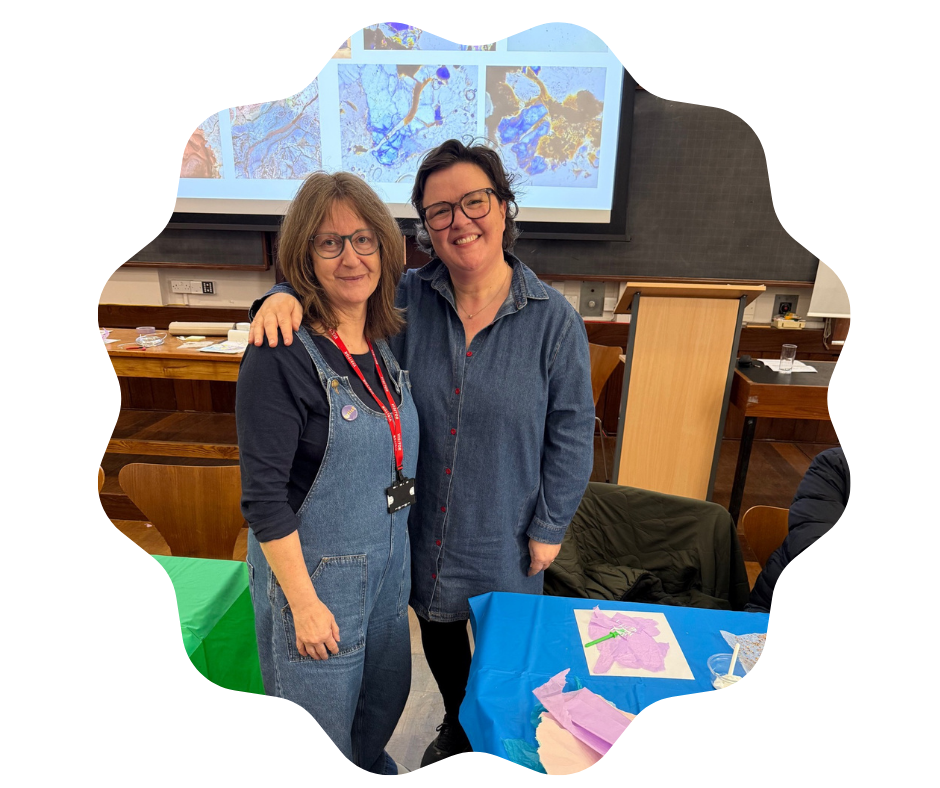
I have been really lucky to get to know Pro member Rowan Huntley over the last few years through our community and had the privilege of seeing her artistic research with the British Antarctic Survey and University of Cambridge Polar Museum develop into a wonderful solo exhibition that opened this year. The icing on the cake was finally meeting her in person and taking part in her textural collage workshop that involved playing with paper made with geological materials.
Image credit: June 2026 Emma Copley and Rowan Huntley during a workshop led by Rowan for the public to accompany her solo exhibition at The Polar Museum in Cambridge: photography by Andy Rees.
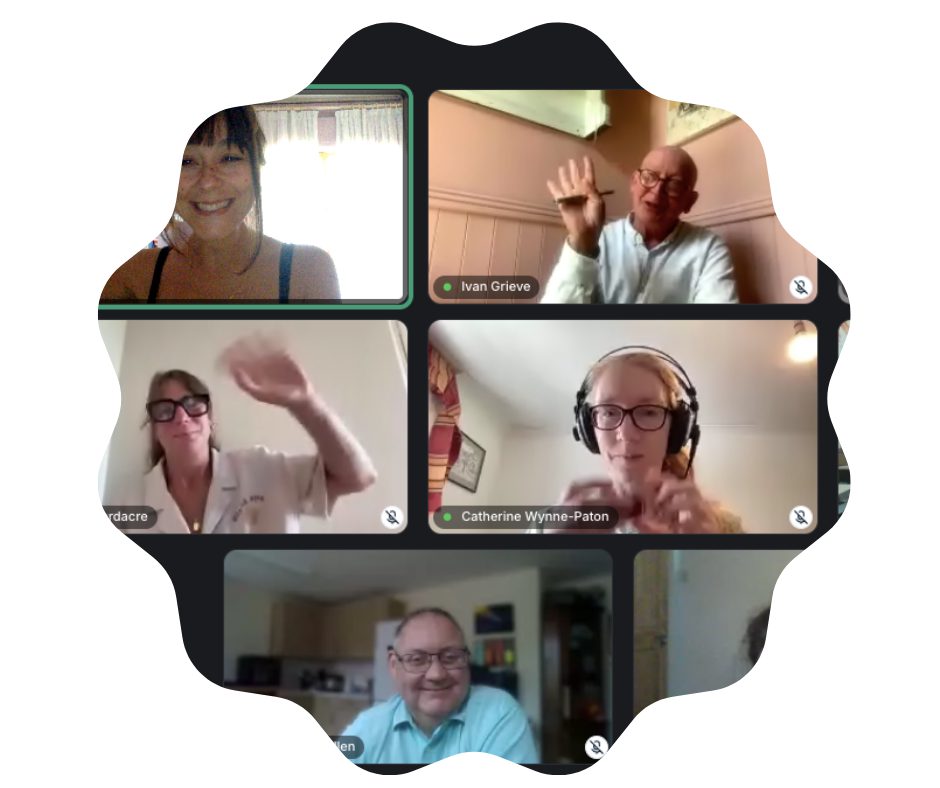
Daniela Liberati
Axis Coordinator
My role at Axis has changed a lot since I was first employed during the pandemic but something since those early days has stuck with me and stayed the same, which is its openness and genuine care towards visual artists in the UK. My role has since evolved but these values have not changed.
I'm naturally bad with memories, but if I look back or think about what I've been looking forward to most, it's hosting the members' meet-ups, where I get the opportunity to see and hear directly from our artists about their work, practices, and inspirations.
Every session has something special to offer, yet completely different from the last.
I love how unpredictable and unique each one can be but all equally special in offering a precious window into artists' lives — their successes, worries, and excitement — which always resonate strongly to me and across everyone involved in the conversations.
It's inspiring to see how naturally members who have never met before can help and encourage one another's work, allowing both practical support and philosophical conversations to emerge. These connections form despite differences in practice, experience, and location.
From professional to emerging artists and creatives, these free sessions are needed for us all. Thank you Axis for providing these spaces, here's to another 35 years of care, openness, and mutual support across the visual arts community in the UK.
Harlan Whittingham
Artist Development and Commissions Producer
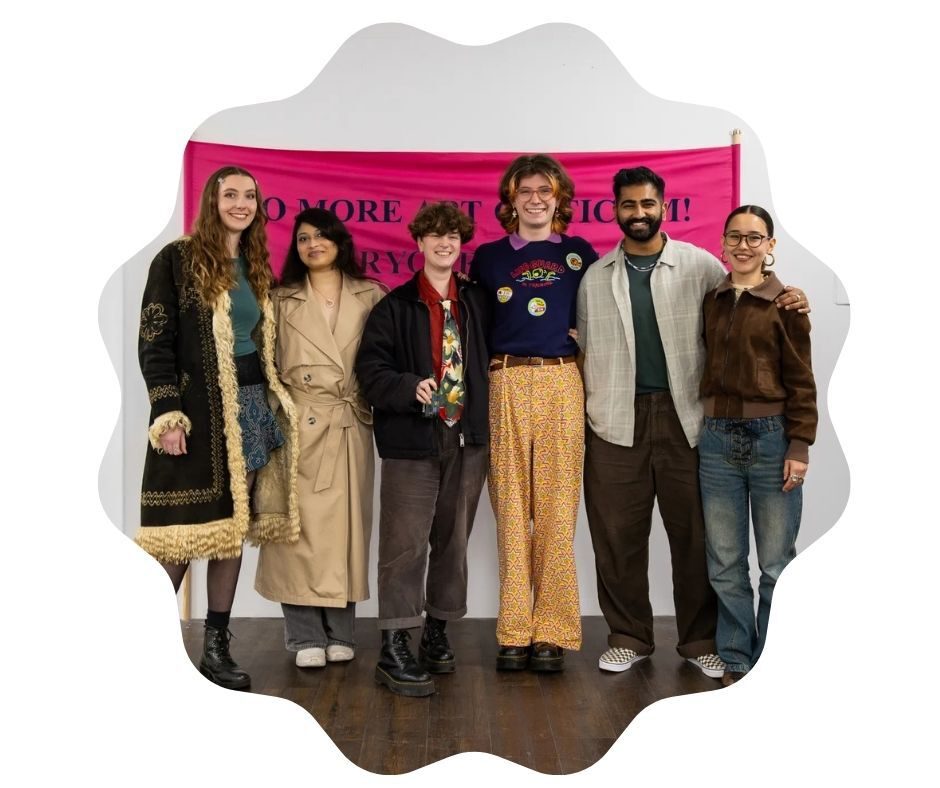
The things that I have enjoyed the most during my time with Axis, are the conversations that I share with artists about their work. This is most exciting and generative when engaging with one of the cohort groups, such as the Axis Fellowship, or previously, the Axis Graduate Programme.
I feel strongly that the best ideas and problem solving happens during these moments. Often, this is messy and unexpected. Perhaps the question hasn't even formed, emerging from associative connections while listening to someone gush about their own niche interests.
Importantly, these spaces thrive on the generosity and patience of other Axis members. Over the years, I've received more knowledge and wisdom than I could ever hope to impart. I feel eternally privileged to play a part in them, to engage with interesting, passionate people, and to hear about the things that drive them.
Mark Smith
Executive Director
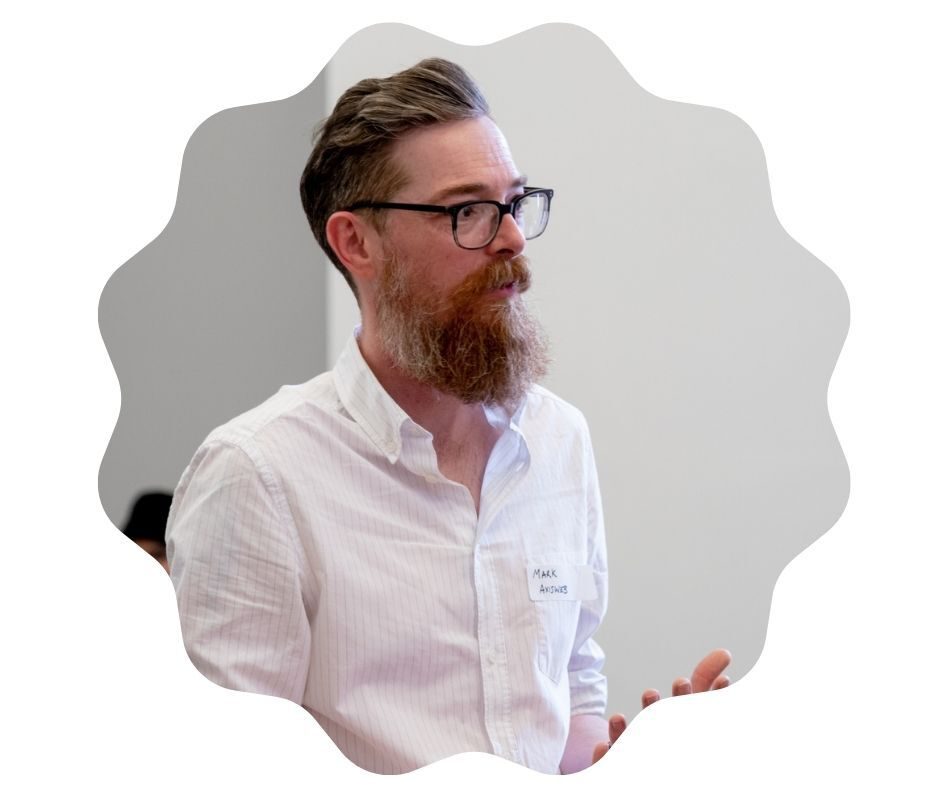
Soon after I became Executive Director, I had a series of conversations with senior managers at Arts Council England. They told me, plainly, that Axis was not relevant.
Part of me wanted to argue. It stung. Rejection from the people meant to be backing you tends to. But with time, I've come to think they were right. Axis in 2014 was a product of the funded system: an organisation shaped to perform against national arts strategies, rather than one shaped by what artists actually needed.
I still ask the same question now. Is Axis relevant? The honest answer is that there's always more we can do. But something in the evidence has changed since 2014.
Nearly 13,000 members must see something relevant. Artists and curators who once told me Axis wasn't relevant now want to work with us; that must mean something too. Other organisations are starting to build in ways that look like the path we took. That doesn't happen around something irrelevant.
I don't think we "showed them" anything. I think we stopped trying to be relevant to a system, and started trying to be relevant to artists. That's the difference.
Do you have a favourite memory of Axis! Let us know at hello@axisweb.org . We'll share our favourites in a future post!
Tags, Topics, Artforms, Themes and Contexts, Formats
Share this article
Join Axis
We support artists
Funding, visibility, connection and practical help.
Membership includes £15 million of Public Liability Insurance!