A Class Apart
We invited 13 artists and arts workers to tell us how class has shaped their life, their practice, and their place in the arts. The result is an impassioned and incisive record of the arts sector today, and the often invisible barriers it presents to those from low-income backgrounds.

Image Credit: Madonna Smoking By Lauren McLaughlin, 2024
We asked you to tell us how class has shaped your work as an artist and what changes need to be made for the arts to become more equitable for everyone, regardless of background. Here's what you told us!
=====
TRACKIE MCLEOD
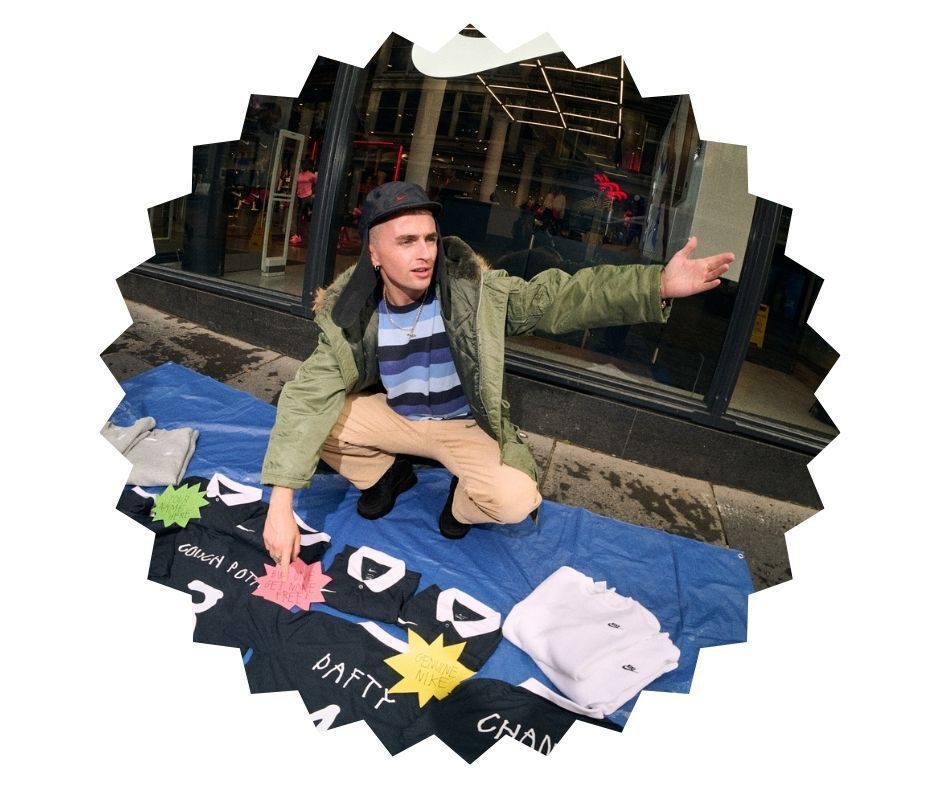
What barriers have you faced because of class?
Money. It makes the world go round especially the 'art world'. I didn’t notice it much at first. I guess that's because I didn’t come from money, and I wasn’t moving in those circles. But once I got into Glasgow School of Art, I started to see just how much of a difference it made for some. I studied Communication Design, specialising in Graphic Design and we were assessed heavily on finish. Some of my peers could throw both time and money at their final projects or even pay someone else to do it. I couldn’t. I had to work weekends, so I was always playing catch-up - much to my tutors’ frustration (and ignorance). Unsurprisingly, most of them graduated with first class degrees, which I’m good with. But years on, around 70% of my classmates no longer make art. I’ve found that for a lot of people from money, an arts degree is just something to do. Money creates inequality which is why the art world remains so elitist.
What needs to change to make the arts more open to people from less advantaged backgrounds?
It starts with education. Speaking from my own experience, art classes were heavily focused on the past, the traditional and the dead. The emphasis was always on drawing, painting, realism and while though they are good skills to have they aren’t the whole picture. Let’s get kids excited about art. It should be fun. It should show young people that creativity isn’t limited to galleries or oil paint and that it exists in design, music, fashion, film, and everyday life. When art feels accessible and relevant, more people feel like it’s something they’re allowed to take part in and see themselves in. We need more POC, working-class, and queer representation in galleries, arts councils and school teaching. Universities and colleges should have a responsibility to amplify working class voices.
Trackie Mcleod is a Scottish artist based in Glasgow. Using sculpture, textiles, video and print to explore his lived experience, he describes his visual language as “one part tongue-in-cheek, an ounce of sarcasm and a pint of Tennent’s lager.
=====
PALOMA DE ALMEIDA DURANTE
[t]hinking about class in art means considering not just access to, but who manages to keep producing, researching, persisting
Paloma Durante is a visual artist, educator, and editor. Her research encompasses the intrinsic relationship between word, image, and gesture to explore subjects such as otherness, memory and fragility.
=====
LUCY WRIGHT
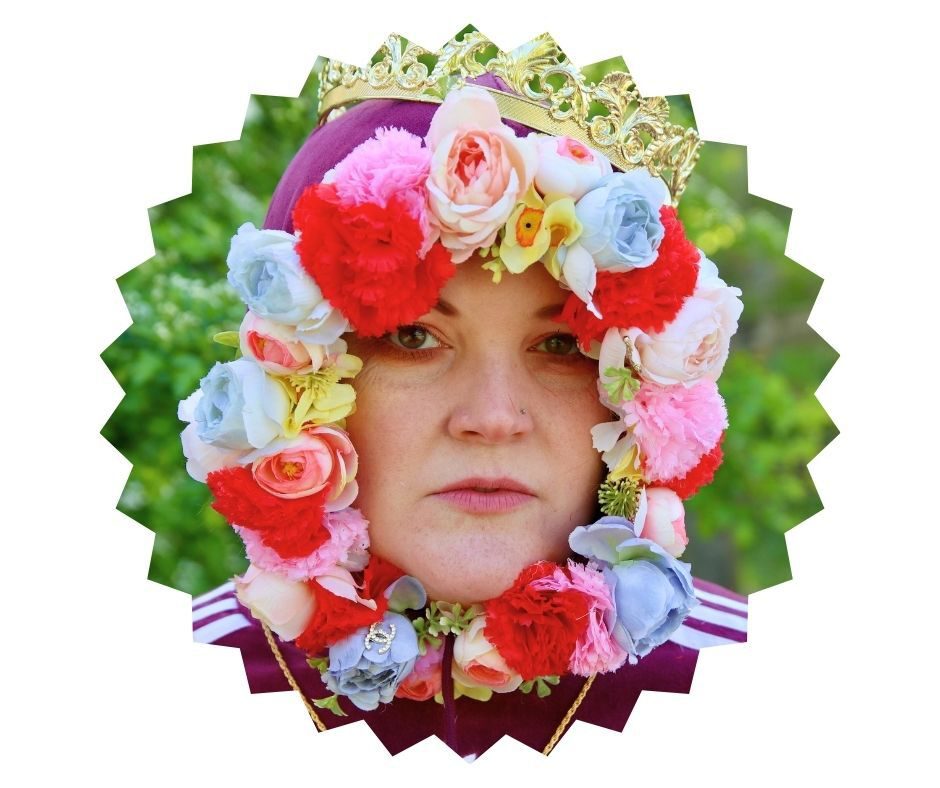
The three main barriers I experience in my art career are gender, class and geography—although not always in that order.
It was the latter of these factors that delayed the start of my practice as it wasn’t viable for me to study fine art or work unwaged for an indeterminate period after I left home, and it’s the same factors which now mean that no matter how many hours I put in and how many small wins I accrue in the sector, I never seem to be able to compete on the same playing field as those with greater wealth and proximity to the sites—and address books—of cultural power.
Class is a strange condition. An implicit cornerstone of British life and the subject of fierce debate, it’s an identity marker still legal to discriminate against, perhaps because it’s so difficult to agree on who gets to claim it and how it might be measured. As Paul O’Kane writes in Classanoia, class both ‘does and does not exist’ in the UK today.
This apparent ‘indefinability’ is beneficial to those in positions of power. Easily discounted as individual failure, few with privilege want to admit how much social class still shapes opportunities in life, undermining claims that we function as a meritocracy. Instead we are told that our public institutions support the very best in arts and culture and are deeply committed to equity, while their continued underfunding means it is often those with independent means and connections who can forge ahead in their careers—including towards the places where the real money is.
For me, the issue is less one of discomfort with my background—I am grateful to have grown up in the family I did, despite our low-income status—and more of an increasing frustration at trying to function in a field that simply will not allow people like me to participate equally. Where budgets don’t stretch far enough, demanding free labour from artists already battling to stay afloat. Where years of hard work cannot compete with a particular social capital or well-timed introduction when it comes to achieving acclaim and financial sustainability.
Gendered violence and harassment had its ‘Me Too’ moment back in 2017, and 2020 saw a brief flurry of discourse around the figure of the ‘nepo baby’—celebrities whose familial connections are understood to have played a significant role in their own career success, but we need to talk more about how a similar phenomenon also impacts the arts. Inherited wealth, connections and geography all intersect with class in a marketplace heavily skewed towards London and the Southeast.
What if museums and galleries were forced to disclose the budget they offered to artists for the making and presentation of work? What if funding sources and professional relationships had to be publicly acknowledged—somewhere alongside the curatorial statement. ‘What are the institution’s conflicts of interest in relation to this project?’
I believe that a time is coming when we will be far more conscious of the layered impacts of economic and environmental privilege on individual trajectories and successes. May we look back on this era as one of shocking unfairness to those from disadvantaged backgrounds.
Lucy Wright works across visual art, performance and critical writing to explore the spaces where folklore, feminism and social theory intersect.
=====
UMA BREAKDOWN
Art will always be an industry where people of means will have a staggering advantage. They have the resources to dedicate time, to experiment, or simply to pay others to produce for them at the level indistinguishable from the cutting edge. They are able to fail until they succeed.
Uma Breakdown is an artist, writer, and award winning game designer interested in animals, horror, and play.
=====
THAHMINA BEGUM
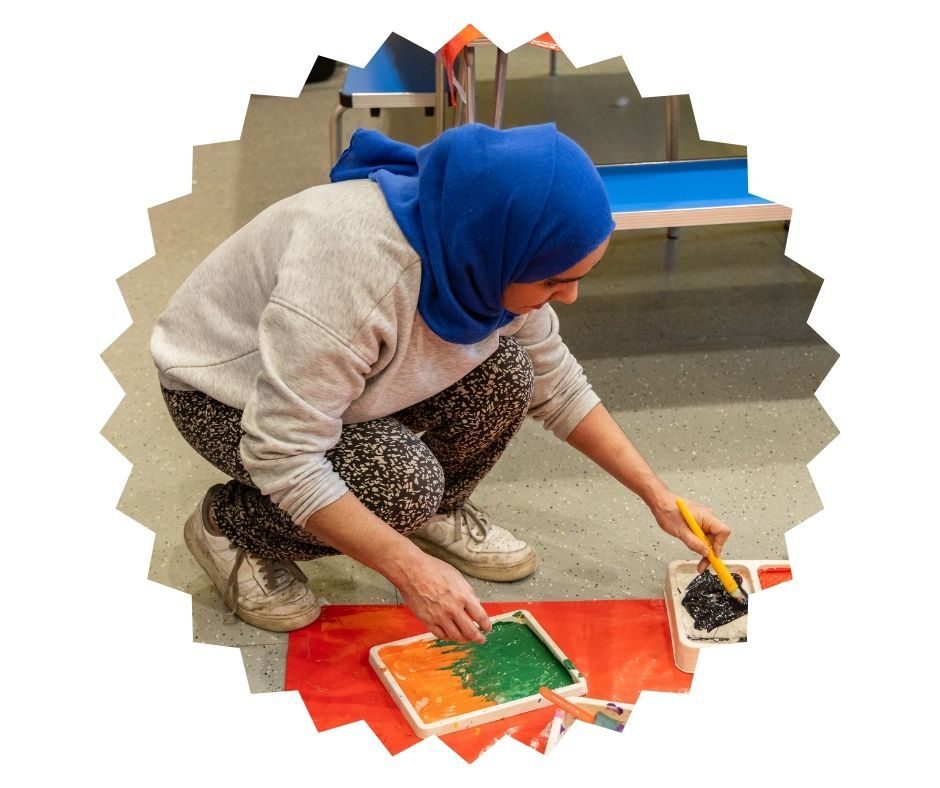
I still remember the smell of chips, trifle, playing bingo, and dancing to ‘Agadoo!’ echoing through the Working Men’s Club in Leeds, where my siblings and I spent countless Christmas parties as kids.
My dad, who came to the UK from Bangladesh in the 1950s and worked in a glass factory in Leeds, would watch us with quiet pride as we ran around, sticky fingers and all. Those nights full of laughter, chaos, and community taught me more about people, connection, and humour than any classroom ever could. They taught me that joy can be found in the ordinary, and that shared experiences, however messy, are what bind communities together.
Growing up in a working-class household in Leeds meant that the arts often felt like someone else’s world. Accents, assumed knowledge, and cultural codes made it feel as if the doors were closed before you even knocked. But my Yorkshire accent, my way of speaking, and my lived and living experience have become my superpowers. In workshops, in studios, even in casual conversations, humour and authenticity break barriers faster than any formal introduction. My voice carries my roots, and those roots help me bridge local stories with global ideas.
Class has shaped me in ways I didn’t always recognise. The barriers were real spaces that whispered I didn’t fit but those experiences gave me resilience, empathy, and perspective. I’ve learned to read a room, to connect with participants from all walks of life, and to make art that feels inclusive without losing its edge. I’ve seen how humour can disarm tension, how a shared story about working-class life in Leeds can open doors to conversations about global issues, from migration to inequality. These experiences remind me that perspective matters as much as technique.
The arts need to value lived experience over polish, empathy over pedigree. We need spaces that recognise that working-class voices bring humour, insight, and a grounded way of seeing the world. Class should not dictate who belongs or whose stories are told. It should be a lens that deepens the richness of the work, not a barrier that limits who can create it.
From my dad’s glass factory to the bingo halls of Leeds, to the studios where I now create, my working-class roots are not a barrier they are my lens, my toolkit, and my voice. They allow me to turn everyday experiences into art, to connect communities, and to talk about big, global ideas without losing sight of the people I share them with. And in those connections, in the laughter and stories, I see the real value of art: a way to bridge worlds, honour our roots, and imagine a space where everyone, regardless of background, can belong.
Thahmina Begum is a British Bangladeshi Artist and Art Psychotherapist ( BAAT, HCPC) based in Leeds, Yorkshire. Her work explores the intersection of arts and health with themes of hybrid identities, community and belonging.
=====
TREVOR H SMITH
I retrained as a painter and decorator, and now that I finally have access to the finances required to play a part in the world of art, I simply do not have the time.
Trevor H Smith is an artist and writer, interested in the connections between language, place, and identity.
=====
WILLIAM TITLEY
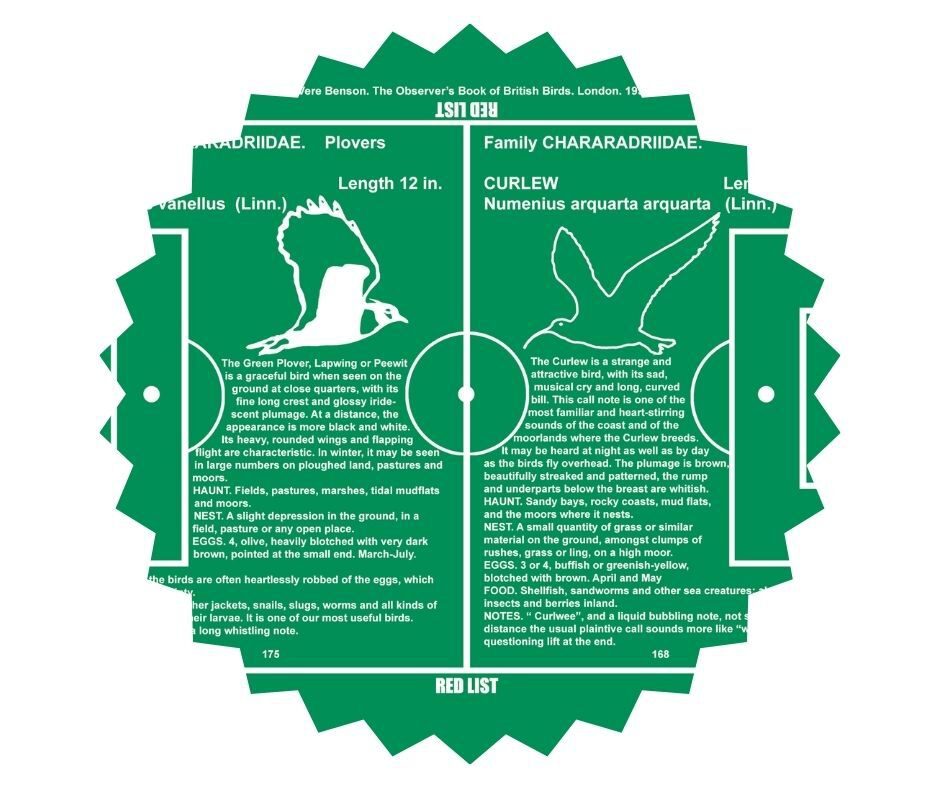
Growing up in poverty, as part of a single-parent family with five siblings, shaped my entire approach to materials and making art.
Life was about repurposing and adapting whatever was available, whether mending broken hand-me-down toys and worn-out clothes or improvising with whatever food was in the cupboard. This early experience of ‘making-do’ became foundational to how I think about and create art.
Through academia, Allan Kaprow’s experiments and theories reinforced my urge to make art from everyday actions and objects, discarded materials, and resources drawn directly from my surroundings. Kaprow’s work reassured me that art could be made outside or on the edge of conventional systems, and that this was not a limitation but a creative advantage.
I was already accustomed to working with what was free, found, or borrowed; childhood poverty had taught me to see potential and value in overlooked or unwanted things. My practice evolved from my reliance on accessible materials and involving those around me, on family, friends, and the wider community. Living in a rural town meant that bringing art to local spaces rather than distant city galleries was not only an economic necessity but also a way to make my work relevant and meaningful to those who shared my local environment.
Choosing to use local resources and exhibit my work within my own community was both a creative decision and a direct response to my experiences of inhabiting the place. After many failed attempts to secure funding, I learned to bypass those expectations and focus instead on what I could access immediately. This approach fostered a sense of creative agency and independence. I could experiment with available materials and develop ideas without the constraints of predicting outcomes for grant applications; the projects unfolded according to other people and available resources.
My practice developed as a way of working outside the traditional art world, which often felt disconnected from my lived reality in the Lancashire Pennine hills. In this context, being working class was not just a barrier but a force that shaped my methods and encouraged me to forge my own path, grounded in resourcefulness and community connection.
The freedom to respond intimately to a situation as it unfolded allowed me to produce work with immediacy. Rather than planning an exhibition (two or three years in advance) through the gallery system or proposing an ACE application with expected outcomes, I was able to act on ideas almost immediately, moving swiftly through a process of making as a way of thinking through the work to completion. I was unwittingly working with the material of life: people, environment, and place. My working-class background gave me the freedom to be creative, without which I would not have been able to complete my projects or publicly exhibit my work.
Looking back to those early experiences, I always dreamed of developing a painting practice, but it was class that moulded me into becoming the artist I am today.
William Titley is a dual-heritage British artist of South Asian descent. He has a Ph.D. from Manchester School of Arts and is a Senior Lecturer in Fine Arts at The University of Lancashire. In 2012, he co-founded and directed In-Situ Arts in Lancashire, with the aim of embedding art into everyday life.
=====
GENEVIEVE CAMEO
If I am a member of the petit bourgeoisie, so heavy in cultural capital, why can’t I transfer that into financial capital?
I suck at capitalism.
Collaboration over competition.
Genevieve Cameo is an artist, producer and facilitator whose work explores embodied play for personal, social and political change.
=====
SIMEON BARCLAY
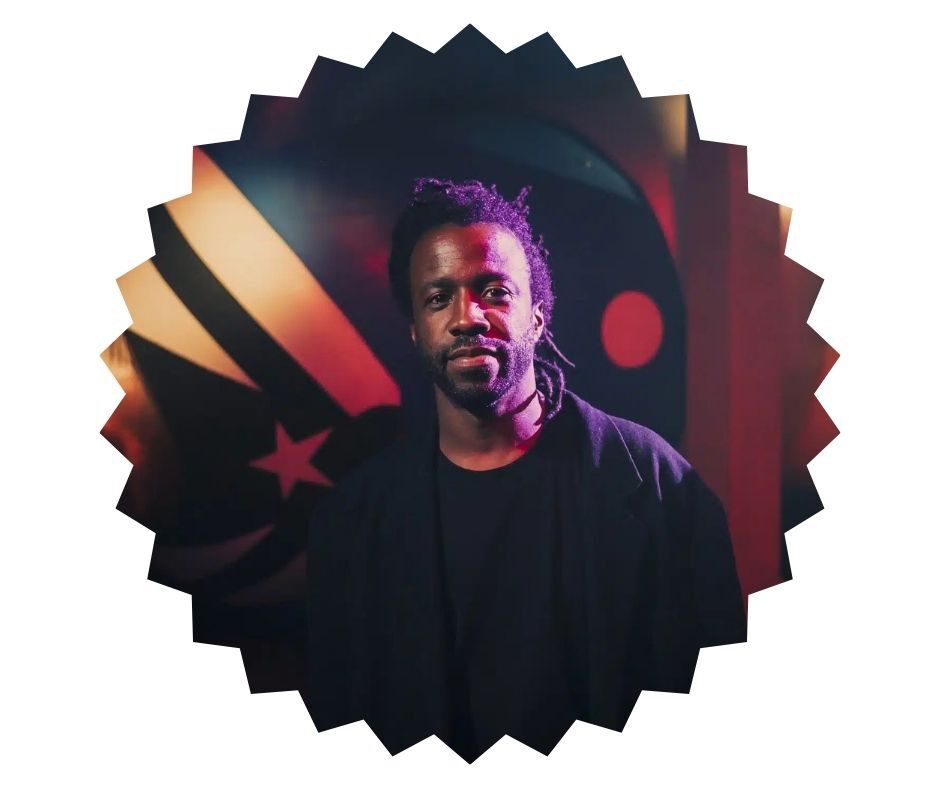
‘Education, Education, Education’
Meditations, Meditations, Meditations
1997 is the year that the 50 pence piece got noticeably smaller, it also marks the end of 18 years of Conservative government. New Labour’s landslide victory brought about key initiatives which led to the opening of flagship art spaces and the greater expansion of the university sector. These decisions would put culture front and centre, galvanising Labour’s buoyant message of hope. These progressive strategies would coincide with the professionalisation and accelerated growth of the global art market, whilst in the UK, the dissemination of art via temple Tate modern and the Turner Prize, is accelerated by an excitable tabloid press, “My 3 year old could do that!”, enabling Contemporary Art to reach heights within popular British consciousness that it could only dream of now. These shifts and sliding door moments appeared, on the face of it at least, to foster a new social, political, and cultural openness, whilst at the same time being hijacked by a small Island British provincialism, one in which a marketing executives wet dreams were conceptualised in slogans such as ‘Cool Britannia’, ‘Brit Pop’ and the ‘Young British Artists’.
Was a time,
like time past
recurring time
The same lazy repetition
The same way, their ways formed within their narrow set of experiences, come to
compile the words
that write the documents
that write the policies
that write the protocols,
that write the articles,
that harden the narratives,
that lazily compress upon my every being,
words with meaning that tell you are nothing
The same lazy repetition...
They tell me that I should froth open my mouth for the vacuous guitar bollocks of Blur Versus Oasis, this John Bull caricature, not in my name! not in my mouth!
My allegiance is for urban sceptics marauding in cities all over the country,
Specific geographical nodes
Sonically connected
between Bradford, Manchester, London, Sheffield… finding an uneasy alignment, but an alignment all the same with cousins Chicago and Detroit.
Forging ahead, sonic symphonies out of memories and romance
Out of everything that has come before
Out of warped frequencies, and basslines that doff a hat to the jarring metal of industrial decline.
The music was the message, the producers never spoke,
An articulation,
a stoic silence, that didn’t require a student loan
IN The Countryyyy!!!!
In the country
In the country
In this country these renegade innovators of the centre, map the messy interconnectedness, the bleeding intersections at the tills, that scan the codes at our new Locals,
creating ballads that attempt to grasp,
to make sense of the fallout from that iron will of a particular lady from Grantham who condemned for the future, a desolate post-industrial landscape, whose legacy litters amongst the liberal outspread of luxury high rise living.
These experiences embodied
All this thinking, that concerns the cerebral stuff,
Away from the factory, I busy myself with a practice they don’t teach,
An aesthete through osmosis
A total work evolved through the fastidiousness of a look, the envy and caress of one upmanship.
The critical awareness was in the fold, was in the flourish
I learn to understand myself as the other
Learn and relearn the evasiveness of not being fixed
A dialectics not taught amongst the art school cool, boys and girls whom I put on a pedestal
who shorn their locks, short and oblique
who always have a preference for the sturdy shoe,
who survey my girlfriend's toes collected in heels with the upmost suspicion.
‘Education, Education, Education’
A fashionable marriage
I travel the grand tour, this rite of passage for some, learning only what I knew before
my schizophrenic questioning, my navigation
of this surreal world, would now bare itself in objects for delectation
to fill a gap
Time enough has not left, I still glance the factory on my shoulder…
I now find myself amongst, in these esoteric spaces,
The self-anointed interloper
I look out for my younger self
I will see him, and will turnabout face
….for years I asserted the right to kill my fathers, at Goldsmiths it was the national sport, still is,
to exorcise the shame it had birthed…to critically call into question the lack of substance, the over bloated, shock tactics and series of gimmicks that were the stock and trade of a good proportion of those art hellraisers, the enfant terribles, those bloody YBA’s
I now find myself amongst, in these esoteric spaces
The self-anointed interloper
I look out for my younger self
I wait in anticipation
I search the amongst, in anticipation
But that’s the thing, that’s the contradiction...
Ok, maybe you got a double A star in global politics …
Or it’s ok to take the moral high ground, if it’s your birthright, or your brood has the means
But maybe that the difference between life, and the words with meaning…
That tell you nothing at all
Because for all its bluster, the media tabloid feeding frenzy, the over bloated shock tactics and gimmicks… it reached me,
It reached me beyond the enclave, the hushed tones and reverential manners of esoteric spaces
It reached me in the back of beyond in all its brazenness, its commercial exploitation, its affront to popular conservative taste,
It reached me with the discernible class demographic of its protagonists that mirrored my own
It reached me like a bomb going off, repercussions that for good or for bad still have ramifications
It reached this restless self, across a factory floor,
across yesterday’s chip paper
along the M1, across the Yorkshire moors
It reached me
and now I find myself amongst, in this now discreet rarified thing and wonder, would it have reached me now...
would it…?
In the institutional complex
the search light shines brighter and wider but for all the search, still the usual suspects….
Out of sight, the sceptics are marauding…
People are finding themselves.
Simeon Barclay works across sculpture, film, and mixed media installation. His work explores the ways we navigate and perform identities, drawing on humorous undertones to express the paradoxes and ambiguities of situating ourselves within culture and tradition.
=====
CHLOË LOUISE LAWRENCE
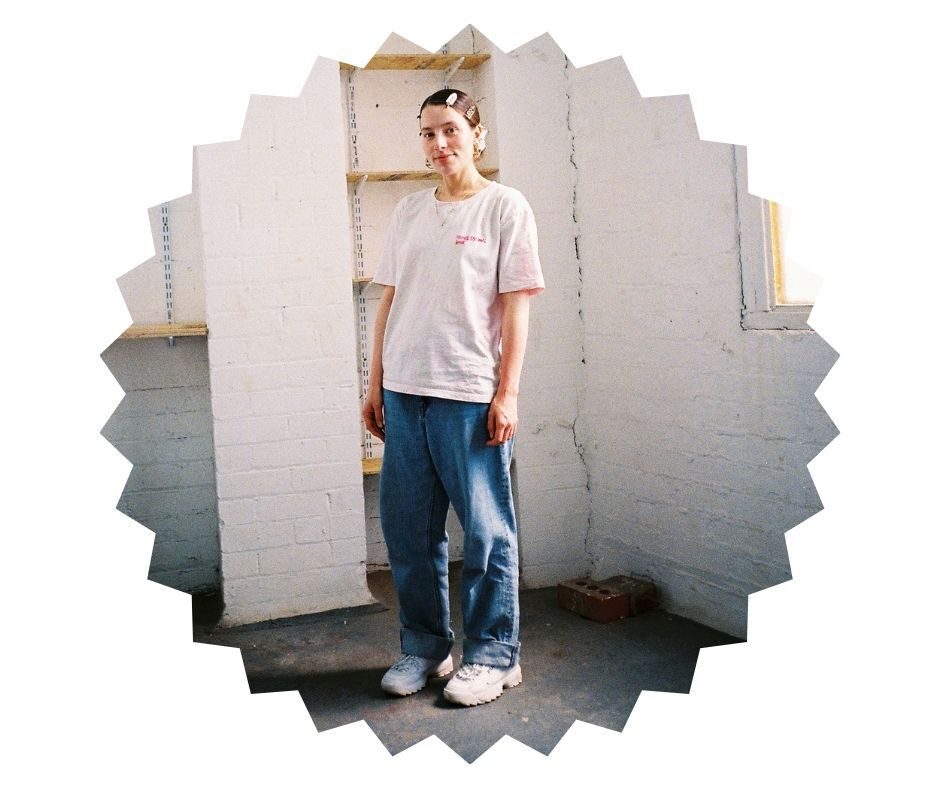
I locked up the art shop and headed to the gallery to see the latest student exhibition, grabbing a free drink to wash away the day.
It gets busy, students flustered, but I remember how it was. I’m looking around… “ah, that’s what they did with those boards…” I nod and smile; putting materials to faces and all their elaborate plans.
I turn around and catch a familiar face - it’s Jo*! I studied with him a few years ago. We catch eyes and say hello. He introduces the person he’s with. They’re a curator who’d just given a lecture that day. Jo then introduces me: “this is Chloë, she’s a professional art shop assistant!”
Yup. That’s me. Professional art shop assistant.
I’d also worked in the college shop where we both studied in London, as well as having another retail job on the weekend to get me through my degree. The job was a necessity, but I optimistically thought it could at least ease anxieties about fitting in… help make friends in this new place.
During my first week I was serving another first year.
“Do you have any Golden acrylic?”
“Don’t I’m afraid,”
I was keen to help, “but there is a-”
“Never-mind.”
“I do know somewh-”
“Never-mind.”
Cut off, again.
No eye contact.
Throughout first term there were some friendly faces, regulars who’d pass through and swap small talk. Our first year ‘W.I.P' show flew round pretty quickly too. I felt like I’d spent most of my available time in and out of inductions. ‘When was I supposed to make any work?’ I scrambled some bits together and got through it in the end.
After the opening, I was excited to blow off some steam with everyone else at our after show party, organised by the SU. Drink in hand, I walked towards a group I recognised.. and they.. recognised me!
“Hey! It’s college shop girl!”
College shop girl. Yup. That’s me.
Here to support you, in all parts of your art education.
I held my smile, but the excitement behind it drained from me. This wasn’t the first time I had that feeling, but it’s a time that solidified it. That awkwardness. The feelings of being overlooked and othered.
Reflecting about existing as a working-class artist operating within a service economy, I think about the experience of servicing those who are also my contemporaries. I’m not ashamed to have worked these jobs, I saw the value in my work. But did my peers? Or was that part of my existence just disregarded, and only to be parodied when noticed?
Within the arts, class structures are embedded into its fabric. Accessibility determined by wealth, nepotism, and education are points all recognised on paper. However, in the experience of this college shop girl.. a culture of classism permeates the everyday spaces once explicitly reserved for the bourgeoisie, which subtly but not so subtly, reminds us that we’re still not invited. But.. do I even wanna be?
Chloë Louise Lawrence is an artist and educator based in Manchester working between text, printmaking and sculpture. Her practice reflects on growing up in council housing and the transient nature of those spaces.
=====
MARK SMITH
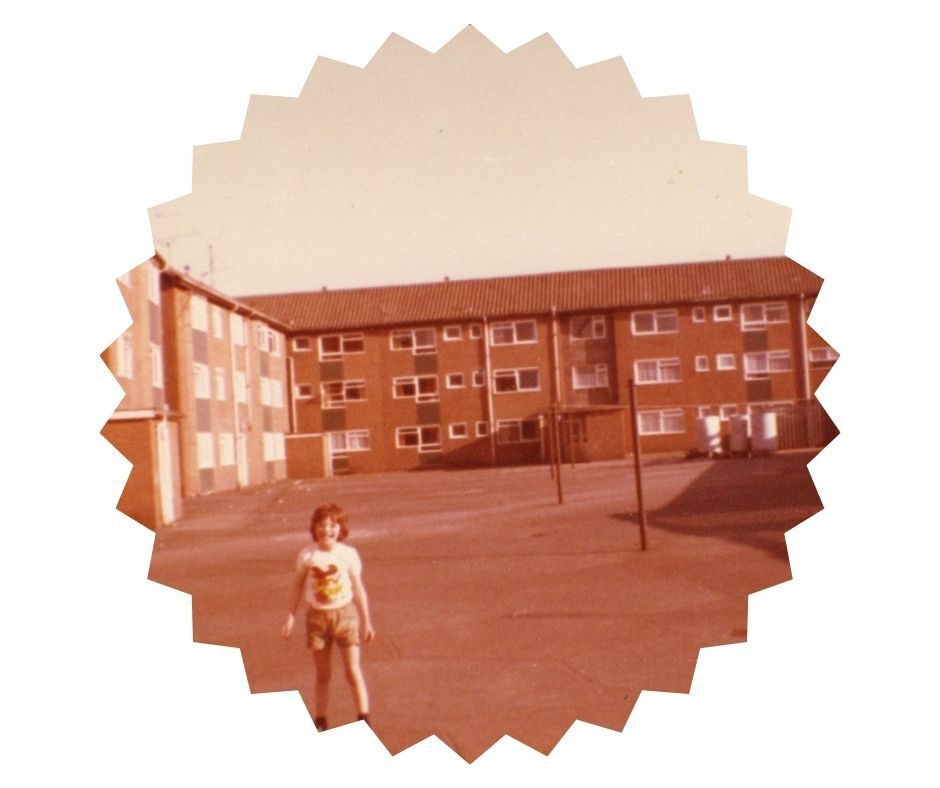
Class in Britain works quietly. When Ronnie Corbett said, I know my place, the joke landed because it named something we inherit before we know what it is. It decides which spaces feel open to us and which feel out of reach.
Growing up, art was irrelevant to me. We painted at school, but the only artist I knew was Tony Hart from the TV. We had one picture on the wall, a print of The Hay Wain by John Constable. Art was not spoken about. It belonged to someone else.
Aspiration entered my life by chance when one person gave me a glimpse that cut across everything I had been taught to expect about art. When I did enter it, I learned quickly that I would have to work harder if I wanted to stay. My references were wrong. My northern voice marked me out. I did not know the rules or the people. It felt like a big extended family I had joined halfway through. I was conscious that I was there, but did not belong.
There is a split that comes with moving between classes. The younger me would not recognise who I am now. But who I am now remembers who I was. Council estate. Making do. Returning pop bottles for pennies. My dad on the dole, mum cleaning for cash at the local doctor’s. School uniforms bought with vouchers. No sense that university or the art world existed. It was not named. It was not visible. When life is organised around survival, the world narrows. Aspiration is a luxury.
I have been in gallery openings, advisory groups and national meetings where access and community impact are discussed. I look around and think about the younger me. He is not in this room. Not because he chose not to come, but because no invitation was ever made, and still is not. That absence is not accidental. It is structural.
Art has long been tied to power and prestige. It still is. Class shapes who makes the work, who funds it, who runs the institutions and who decides what matters. I have lost count of the number of multi million pound art projects placed in communities with few prospects, framed as transformation.
In many of these places the art is taped off, protected. Look, but do not touch. You can admire it, but you cannot claim it. You are welcome, but remember your place. Art speaks the language of openness, but often behaves like a private club.
People in my wider family still ask what it is I do. One thought I might be a spy. They understand that world more easily than they understand the art world at all. A place you cannot see is the hardest place to imagine entering.
I now hear the term working class spoken about often in the arts, sometimes with pride. The principle matters. Representation matters too. But this version often feels far removed from the life I knew. It is usually spoken from inside institutions, with education, confidence and security already in place. In the arts, labels can become comforting shorthand and get in the way of understanding lived experience.
We often say the arts are open, but we keep mistaking access for agency. An invitation without agency is only permission to observe.
Real agency would mean people from those communities deciding what is shown, how it is run, and why it exists. Anything less is still control, even when it comes wrapped in good intentions.
So next time you are at a private view, a gallery opening, or a sector meeting, ask a simple question. Who was invited? Who feels at ease? Who has agency? And how many of the faces in the room are the same ones you saw last time?
That is where class still lives.
Mark Smith is the Executive Director of Axis.
=====
JOANNE COATES
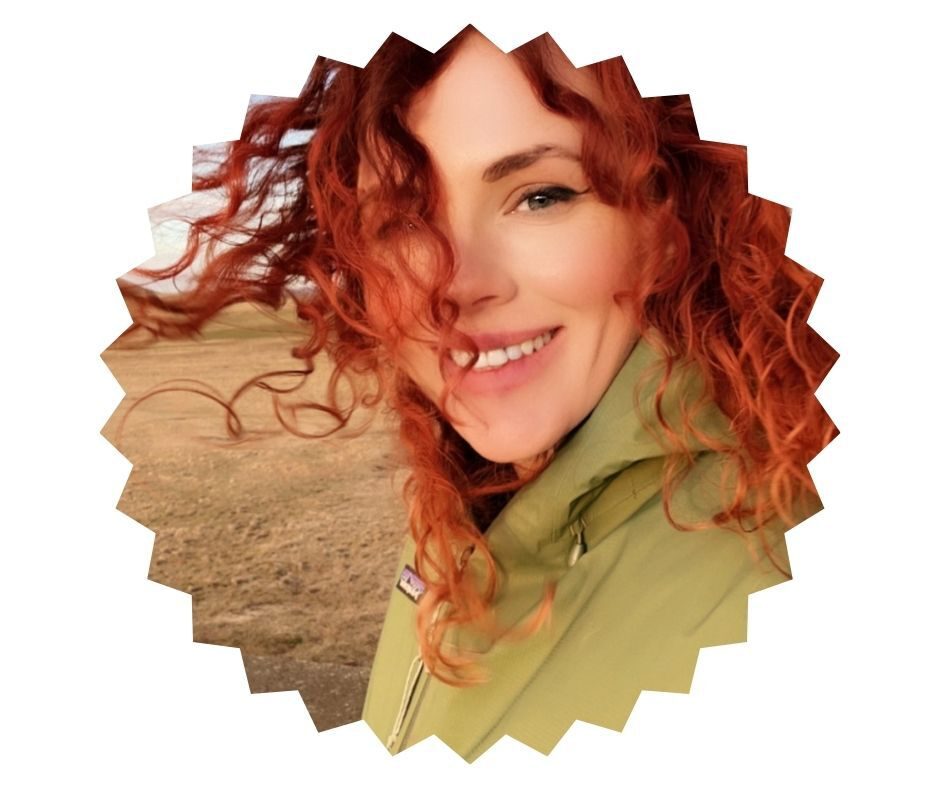
A lack of hope is soul-destroying.
It can slowly chip away, destroying confidence, ambition, focus, and eventually the ability to dream. Ten years ago, I graduated from uni in London, moving in with my mam in East Yorkshire, not home, but a new place after her divorce. We would go on evening walks by the coast: long, empty beaches, eerily quiet, with broken roads dropping into the sea, caravans precariously close to the edge. Those cliffs were eroding faster than before. I had dared to dream of opportunities for working class people: to represent themselves, to make fun work, to be valued. I worried deep down that we were losing a generation of talent.
Now I’m back in my home county of North Yorkshire. I visualise that cliff-top erosion and feel it deeply inside. The lack of working class people still working in the arts, despite media coverage, increased research and statistics, and amazing incentives by equally amazing people — means those numbers are going down. The lack of meaningful and properly paid opportunities for working class people is destroying confidence, ambition, and the chance to have a career in the arts. Without a living wage, without an end to extraction by the arts sector, there can be no flourishing careers for working class artists. That is not pessimism; it is blunt reality.
I am often told that class does not matter, that confidence, resilience, or mindset can be built. Class is not just an identity marker, an accent, or an aesthetic to play with. Confidence is not given. It is built through safety, security, and the knowledge that one mistake will not end everything. When you come from a low-income background, there is no safety net. Overnight stays in hotels, expensive train fares to London, rent paid by parents and having to pay for things upfront with money you do not have are not minor inconveniences. They are structural barriers.
It is not that I don’t want to work hard. I have worked relentlessly for years. I have given up friendships, fun, rest, and security to sustain an artistic practice.
Where am I ten years on? I have achieved incredible things beyond my wildest dreams: a solo show in the Baltic, a paid arts residency with The Maltings Visual Arts, a Jerwood/Photoworks prize, and an Election Artist role for UK Parliament. Yet I am still working another job. My housing is precarious. I use credit cards to pay for materials. I can no longer work ten-hour days in the arts and then take on additional four-hour shifts as a farm worker to survive. This system is not just difficult; it is dangerous for mental and physical health. I have been playing a role I no longer can. One that was a lie: that of the hard worker, that anyone can do it. It is not that I did not give it my all; it is that I did, and it almost killed me doing so. The lie of effort equals talent. The truth is, the arts are akin to The Hunger Games, where the wealthy find it easier to survive.
Class in the arts is often reduced to shallow markers: accent, schooling, or taste. But class is equally about what you haven’t had to go through. If your parents knew artists, if university was a given, if failure never meant hunger or debt, then you were not working class, regardless of where you went to school.
Working class identity is increasingly commodified in contemporary art, often by those insulated from its realities. When institutions want stories of class, they want the titillating subject, not the artist.
When working class artists speak plainly, we are labelled aggressive, difficult, or ungrateful. Directness is read as rudeness. Silence is preferred because it keeps the system comfortable. As I watch opportunities narrow faster than ever before, I am told what class is by those who have only read about it and do not experience it.
Do you know what I dream of? A big, bouncy blowout without guilt. Having my nails done, long and fancy, more than twice a year. A holiday, where I can rest. Fun. Safety. The ability to plan for the future. I dream of being able to help my mam. I dream of support from middle class peers. I dream of those with power saying, meaning, and understanding that class matters. I dream of a means-tested universal income. I dream of a system where people truly understand the structural issues of class, one in which you do not need to constantly advocate for basic rights. I dream of networks of artists from different groups protecting one another’s rights and understanding that this only strengthens each other’s stances.
If nothing changes, there will be no sustainable access routes for working class artists. Those who make it in will not be able to stay. We do not need more statements. We need living wages. We need time — time to be dedicated purely to what we do.
The arts must sit with the uncomfortable truth that class denial protects those who are already secure. Acknowledging class does not weaken the sector; it strengthens it.
Despite everything, the fire in me hasn’t gone out. It flickers, some days barely visible, others burning bright. I keep going not because the system works, but because I refuse to disappear quietly. I still dare to dream of both a beautiful Yorkshire coastline and a place where working class labour is not only valued but rewarded in the sector.
Joanne Coates is a visual artist exploring rurality, class, and hidden histories through photography, installation, and audio. She has exhibited at Impressions Gallery, Stills gallery and Art House Wakefield, and when not making art, she works as a farm laborer.
=====
GABRIELLE HOAD
An artist friend once said to me: “I don't really apply for things; I wait to be asked.” And I imagined how that would feel, to be so confident that opportunities will find you.
“She must have been really well networked,” you're thinking. And she was. She worked hard at it – as we are told to if we want to succeed as artists. But I also believe she started out with a different set of tools to me. She had The Map.
You can't buy this map. You can make one yourself but it takes years of effort and attention. Far more likely, especially if you're middle class, you've simply absorbed it, from a young age, from the people around you. And you've done it so effortlessly, it's virtually invisible to you.
What's on this map? Not everything you need, but you'll certainly find some landmarks to help with navigation. All the major routes you'll use to get around in life are in place, including some of the fastest roads and important interchanges. It probably also includes the whereabouts of a few people who can open doors for you – and places you can go for good-quality support and advice.
The blurb on this map assures you working in the arts is something 'people like us' can actually make a success of. And there's a legend to help you interpret some of the more esoteric codes and signs you'll encounter along the way. Read the small print and there may even be access to some spare cash, should you need some help in finding your feet – or regaining them if you make a mistake.
When I come to write about class and the way it's shaped my journey as an artist, I find myself skirting the issue, embarrassed to define or justify myself, and certainly cautious of whingeing too much. I'm wary about accusing my peers of having it easier than me (very few artists, regardless of background, have it easy). I'm also sensitive to the aspirations of my parents and what they hoped they'd gifted me.
My parents taught me I'd have to work hard for what I wanted, but they couldn't really show me where to direct that effort. I plotted my own slow and self-conscious course with the help of art teachers, adult education, the public library, television and, eventually, the internet. It took me until middle-age to get to art college. And then only after I had built myself some financial security (and given up on the idea of having children). These days, after many years of practising as an artist, I finally have my own, slightly scruffy, map. And I recognise the advantages it brings – even if it reached my hands a little late.
Gabrielle Hoad is an artist and writer with a practice that is highly responsive to site and context. Her work includes live, ephemeral elements as well as more lasting traces such as photographs, films, publications and objects.
-----
How has class impacted your own artistic journey? What do you want others to understand about class in the arts today and what needs to change to make the arts more open to people from less advantaged backgrounds?
Download the report here.
Tags, Topics, Artforms, Themes and Contexts, Formats
Share this article
More like this

Join Axis
We support artists
Funding, visibility, connection and practical help.
Membership includes £15 million of Public Liability Insurance!