Qualifications and training
2024 PhD, Royal College of Art, London
2015 MA Gender, Media and Culture, Goldsmiths, London
2010 Postgraduate Certificate in Higher Education, Solent University
2006 MA Photography, London College of Communication, London
1999 BA Photography, Kent Institute of Art & Design, Rochester, Kent
Solo exhibitions
2013 We Still Stand, mac , Cannon Hill Park, Birmingham
2013 We Still Stand, National Coal Mining Museum for England, Wakefield
2010 We Still Stand, mac , Birmingham 2002 - Mud Pies & Daisy Chains, Workstation & Showroom, Sheffield
Group exhibitions
2024 Wolf Suschitzky Photography Prize, Fotohof, Salzburg, Austria
2023 Wolf Suschitzky Photography Prize, Austrian Cultural Foundation, London, UK
2024 PhD viva show, The Dyson Gallery, Royal College of Art, London,
2022 Unruly Encounters, Southwark Park Galleries, London, UK
2020 20/84 Dyson Gallery, Royal College of Art, Battersea, London
2018 Well-being and Time, University of Derby
2015 Work, Rest and Play: British Photography from the 1960s to Today, OCT Loft, Shenzhen, China (part of The Photographers’ Gallery, World in London projection)
2015 Look/15 Photography Festival Open Call. Thomas Steers Way, Liverpool one
2014-15 Portrait Salon: Four Corners Gallery, London; Fuse Art Space, Bradford; Oriel Colwyn Gallery, Wales; Gallery D, Edinburgh; Parkside Gallery, Birmingham.
2013 Exposure, Format 13 International Photography Festival, Déda, Derby
2013 Fantasista:'The Playmaker' An Exhibition of Football in Contemporary Art, Cello Factory, London
2013 KEN GRANT / LOUIS QUAIL / KAJAL NISHA PATEL / MOIRA LOVELL, Street Level Photoworks, Glasgow
2012 She Got Game, Arlington Arts Centre, Virginia, USA
2012 The World in London, The Photographers Gallery, Victoria Park & Gulbenkian Foundation HQ, Hoxton, London
2012 Work included in the screening installation, Galerie Huit, Arles
2012 Young Artists Incubator # 1, Factory-Art Gallery , Berlin
2011 Photomedia Salon, Charlie Dutton Gallery, London
2010 Image Singulieres , Documentary Photography Festival, Sete, France
2009 'Seduction', PopUp #1/Piclet.org, Berlin 2009 - ArtSway Open 09, ArtSway , New Forest
2009 Desaturated, The Art Centre, Chulalongkorn University, Bangkok, Thailand
2009 Rhubarb-Rhubarb Bursary Winners Exhibition, Wolverhampton Art Gallery, West Midlands
2008 CLICK CHICKS +: mostly women photographers, Dallas Contemporary, Dallas, Texas, USA
2008 New Works Pavilion , National Media Museum, Bradford
2008 Teen City, Musee d'Elysee, Lausanne, Switzerland
2007 Exctracts, La Viande, London
2007 Jerwood Photography Awards, Jerwood Space, London
2007 No Ball Games, Four Corners, London
2007 Woman's Work, Hull University, Hull
2006 MA Final Show, London College of Communication, London
Artist talks
2022 Artists Talk, MA Fine Art, Open College of the Arts
2020 Artists Talk to MA Photography University of Bolton
2020 BA Photography UCA, Rochester, Kent
2018 BA Photography, University of Derby
2013 Artists Talk, Faculty of Arts & Media, University of Chester
2013 Artists Talk, Sheffield Hallam University, South Yorkshire
2010 The Narrator's Gaze: 50 Years of Documentary Photography, The National Coal Mining Museum, Wakefield
2009 Photoforum Chair, Four Corners, London
2009 Seminar with MA Photography students, London College of Communication, London
2008 Artist talk and tutorials with MA Photography students, Norwich School of Art, Norfolk
2008 Seminar with Anne McNeil, Southampton Solent University, Hampshire
2007 Jerwood Photography Awards Educational Event with Martin Barnes, Jerwood Space, London
2007 No Ball Games Artist Talks, Four Corners , London 2007 - Photoforum , Four Corners, London
2007 Presented work at Plat(t)form 07, Fotomuseum Winterthur, Zurich
Residencies and Commissions
2007 School Residency, Pavilion Study Centre, Barnet Public commissions
2010 'The World in London' Portrait Commission, The Photographers' Gallery, London
2008 Pavilion Commissions Programme
2008 Pavilion, Leeds
Competitions, prizes and awards
2023 UK winner Wolf Suschitzky Photography Prize
2023 Awarded a UKSPF Art Grant by Doncaster Council
2011 Shortlisted Bar-Tur Award, University of the Arts, London
2010 Commendation, Aesthetica Creative Works Competition, Artwork & Photography category
2009 Awarded a Hungry International Review Bursary, Rhubarb-Rhubarb, Birmingham
2009 Shortlisted, School of Saatchi, BBC 2
2008 Awarded Flash Forward: Emerging Photographers
2008 The Magenta Foundation, Canada
2008 Awarded the National Media Museum Photography Bursary, NMM, Bradford
2008 Nominee, 'Soho' co-commission, ArtSway / Photographers' Gallery, London
2007 Awarded Jerwood Photography Awards, Jerwood Space/Portfolio Magazine, London
2006 Commended ICI Imagedata/The Independent on Sunday Olmec digital photographer of the year, ICI’s headquarters , London
Publications
2023 Source Thinking Through Photography, Autumn Issue #112
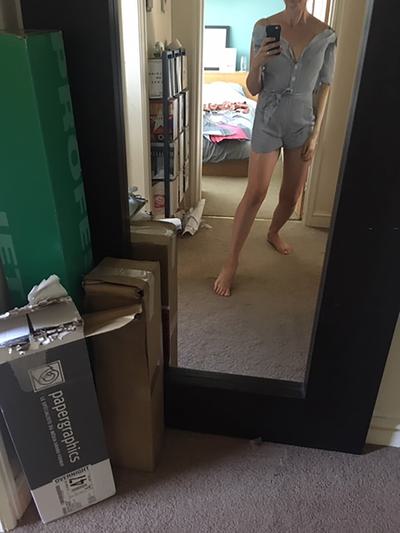
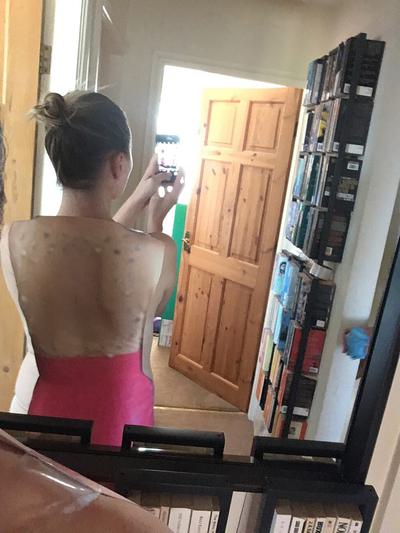
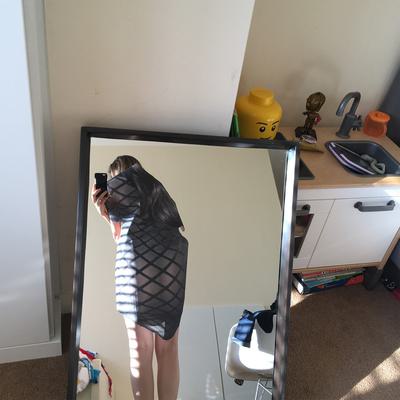
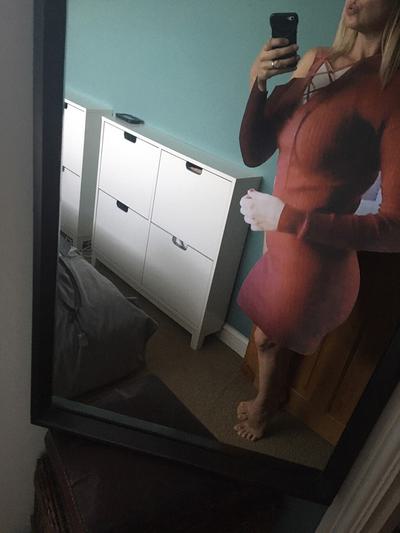
2020 Photomonitor https://photomonitor.co.uk/portfolio/modelling-selfies-in-paper-outfits/
2012 The World in London website
2011 Aesthetica Creative Works Annual 2011
2011 Bulkka Magazine NYC & Buenos Aires
2011 Imprint Blog, The Magenta Foundation
2011 Photomonitor https://photomonitor.co.uk/portfolio/lovell/
2009 Liberation France Newspaper: These Clothes that Bother us, article by Fabrice d'Almeida Professor of contemporary history at Paris-II
2009 New Light: Jerwood Photography Awards Book
2009 Source Magazine Issue 57 2009 - X-TRA Magazine Volume 11 Issue 4
2008 Archive Magazine #13 2008 - Magenta Foundation Flash forward Book
2008 Pavilion Commission Publication
2007 Portfolio Magazine No.46
Works held in collections
2008 Prints held by collection, National Media Museum, Bradford
2008 Prints held by collection, Pavilion, Leeds
2008 Prints held by collection, Wilson Centre for Photography, London