Artforms Glossary
A guide to the artforms artists use in their practice.

From painting and printmaking to socially engaged practice and sound art, artists work across many forms to explore ideas, materials, and stories. This glossary introduces each artform in plain language and links to artworks across Axis.
Architectural Art
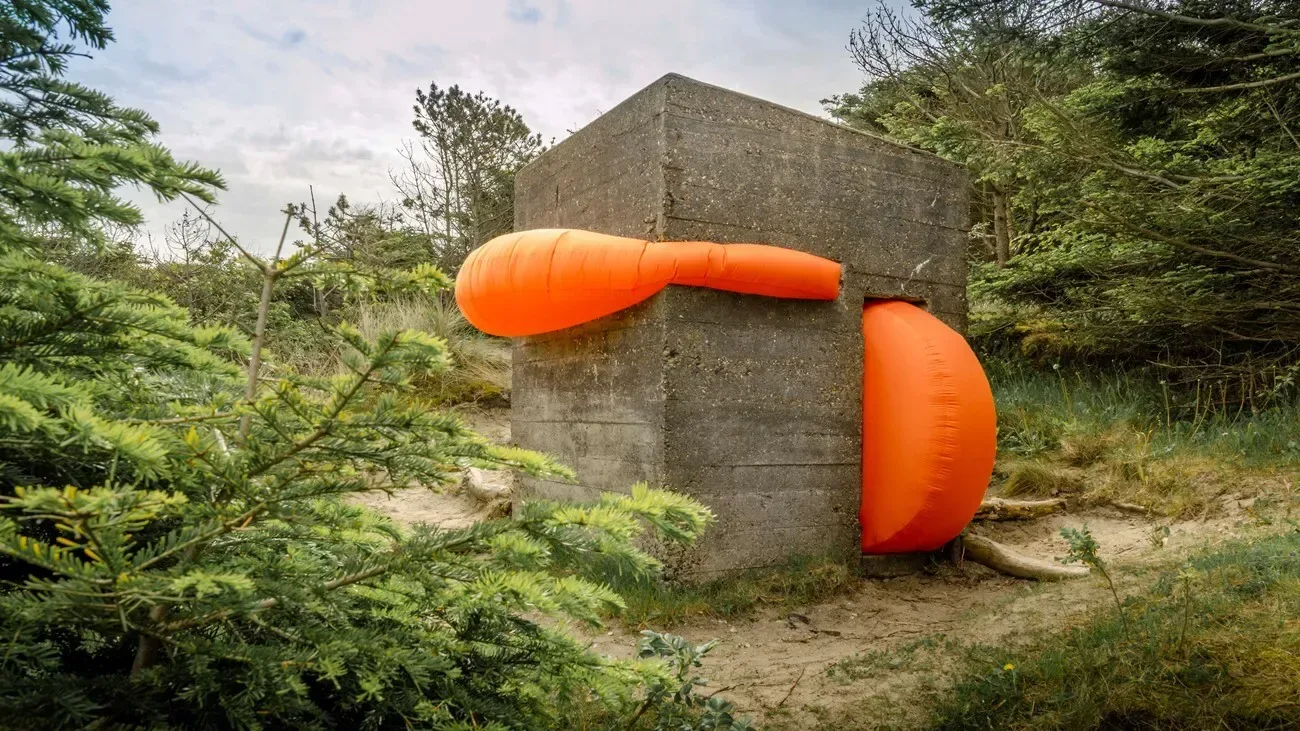
Architectural art is the practice of making work that engages directly with buildings and the built environment. It draws attention to the structures that shape our lives and explores how we experience constructed space.
Techniques range from adapting architectural features to creating site-specific interventions, temporary installations, or permanent commissions. Processes may involve design, construction, collaboration with architects, or working with scale and proportion.
Architectural art extends beyond decoration or function to transform the way spaces are perceived and used. It may involve community participation, environmental concerns, or experimental approaches that blur boundaries between art, design, and architecture.
Ceramics
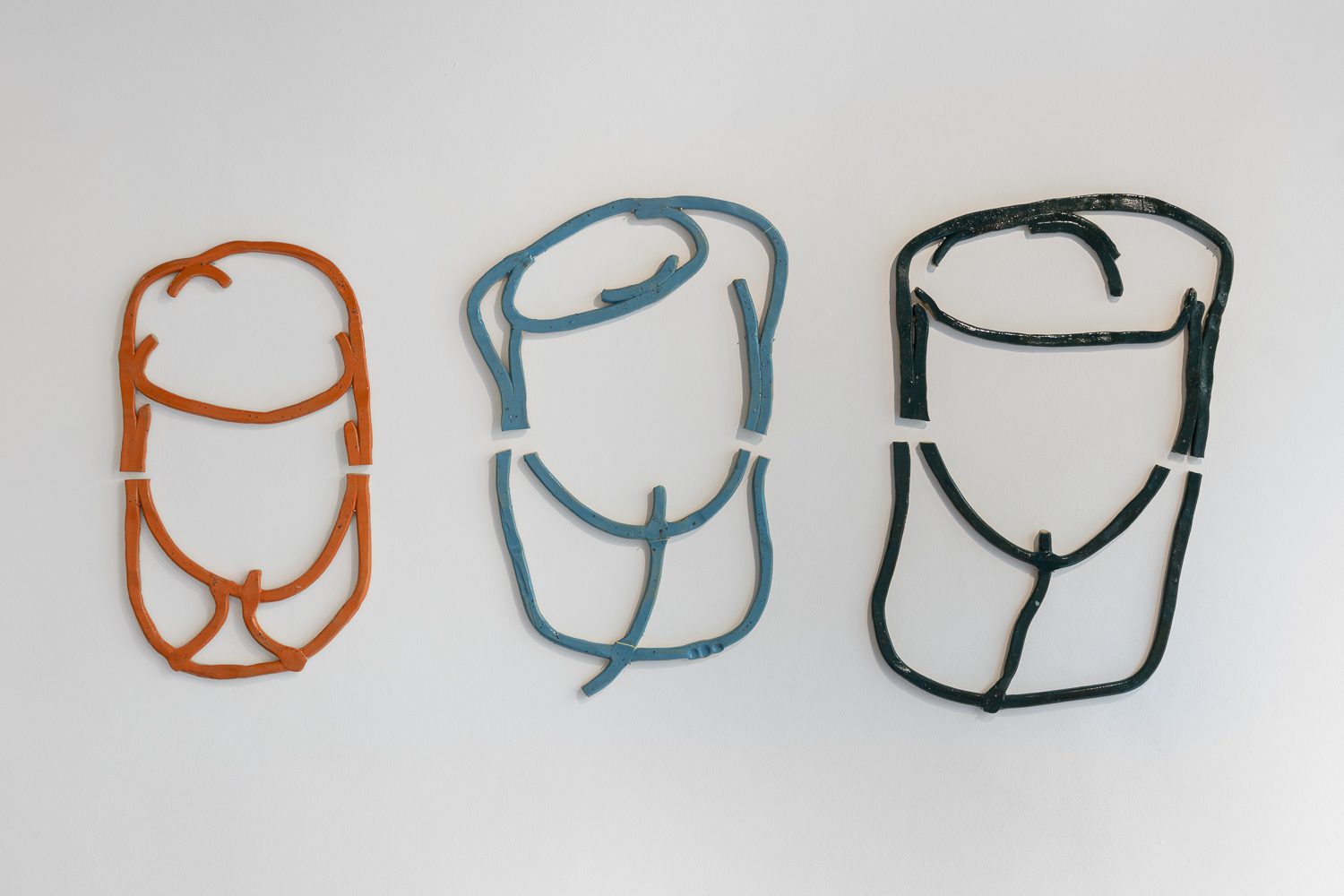
Ceramics is the practice of shaping clay and other ceramic materials, then hardening them through firing. It is one of the oldest artforms and remains central to how artists work with form, surface, and texture.
Techniques include hand-building, wheel-throwing, slip-casting, and glazing, as well as surface treatments such as carving, sgraffito, or painting. Processes may involve multiple firings, layering, or combining ceramics with other materials.
Ceramics encompasses functional pottery, sculpture, installation, and conceptual work. Artists use it to explore fragility, permanence, cultural identity, and material experimentation, extending the form beyond craft traditions into the wider field of visual art.
Craft and Design
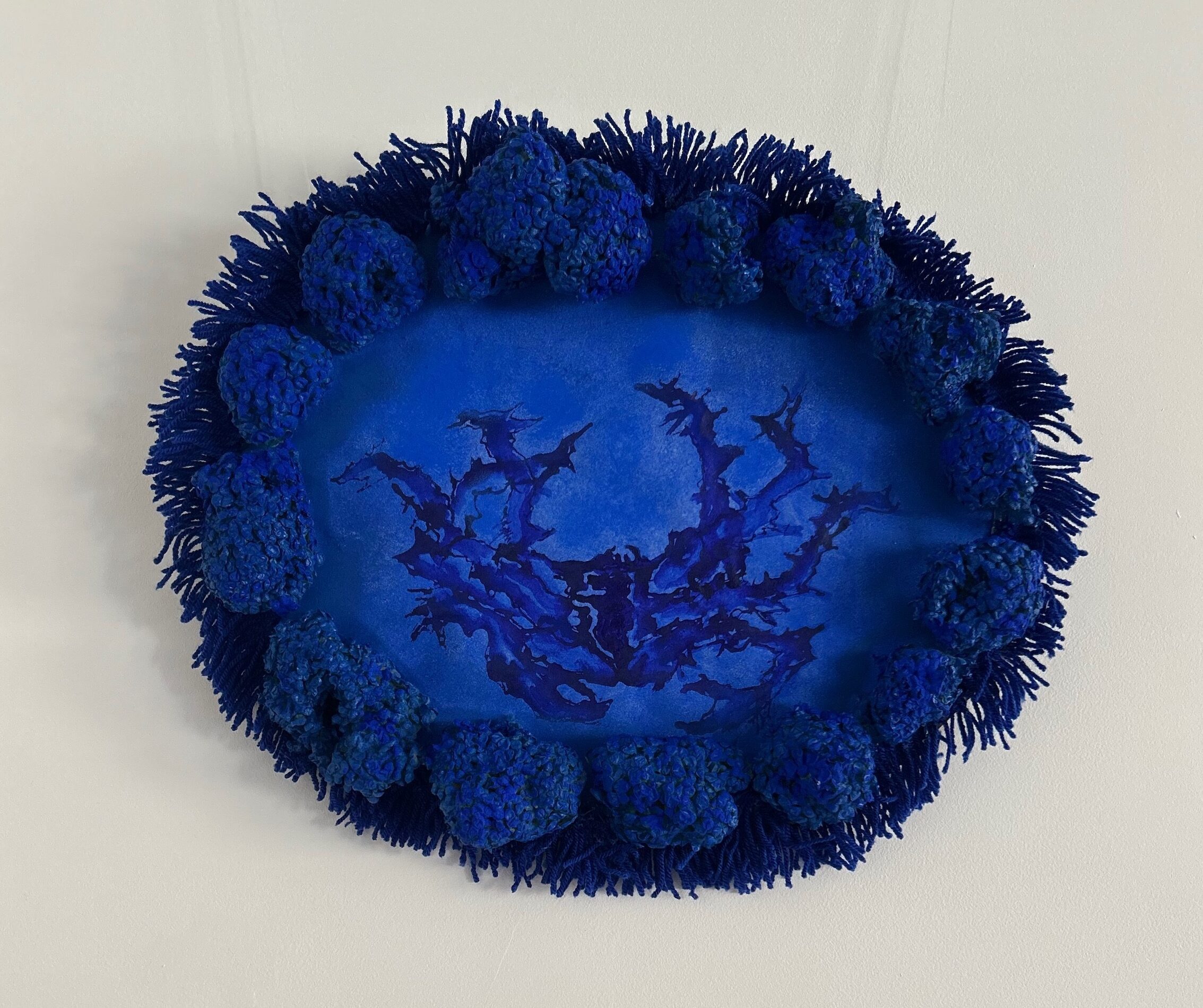
Craft and design encompass a wide range of practices where skill, material, and making are central. They often involve hand-made or tool-assisted approaches that place emphasis on the qualities of materials and the traditions of working with them.
Techniques include weaving, basketry, joinery, metalwork, glasswork, and textiles, alongside design processes that shape form and function. Materials such as wood, clay, fabric, and natural fibres are common starting points, though contemporary makers also use synthetic and recycled substances.
Craft and design sit at the intersection of art, heritage, and innovation. In contemporary practice they move fluidly between object-making, installation, and conceptual enquiry, engaging with sustainability, identity, and the cultural histories embedded in materials and techniques.
Digital and New Media Art
New media and digital art describe practices that use emerging technologies, both analogue and digital, as a primary medium. This ranges from early video and photography to computer-generated imagery, interactive systems, animation, and virtual or augmented reality.
Techniques may involve coding, 3D modelling, generative processes, or the manipulation of sound and image. Processes can be interactive, networked, or time-based, often drawing on tools developed outside the artworld, such as gaming engines or social platforms.
New media works may be immersive, participatory, or combined with installation, sound, and performance.
Drawing
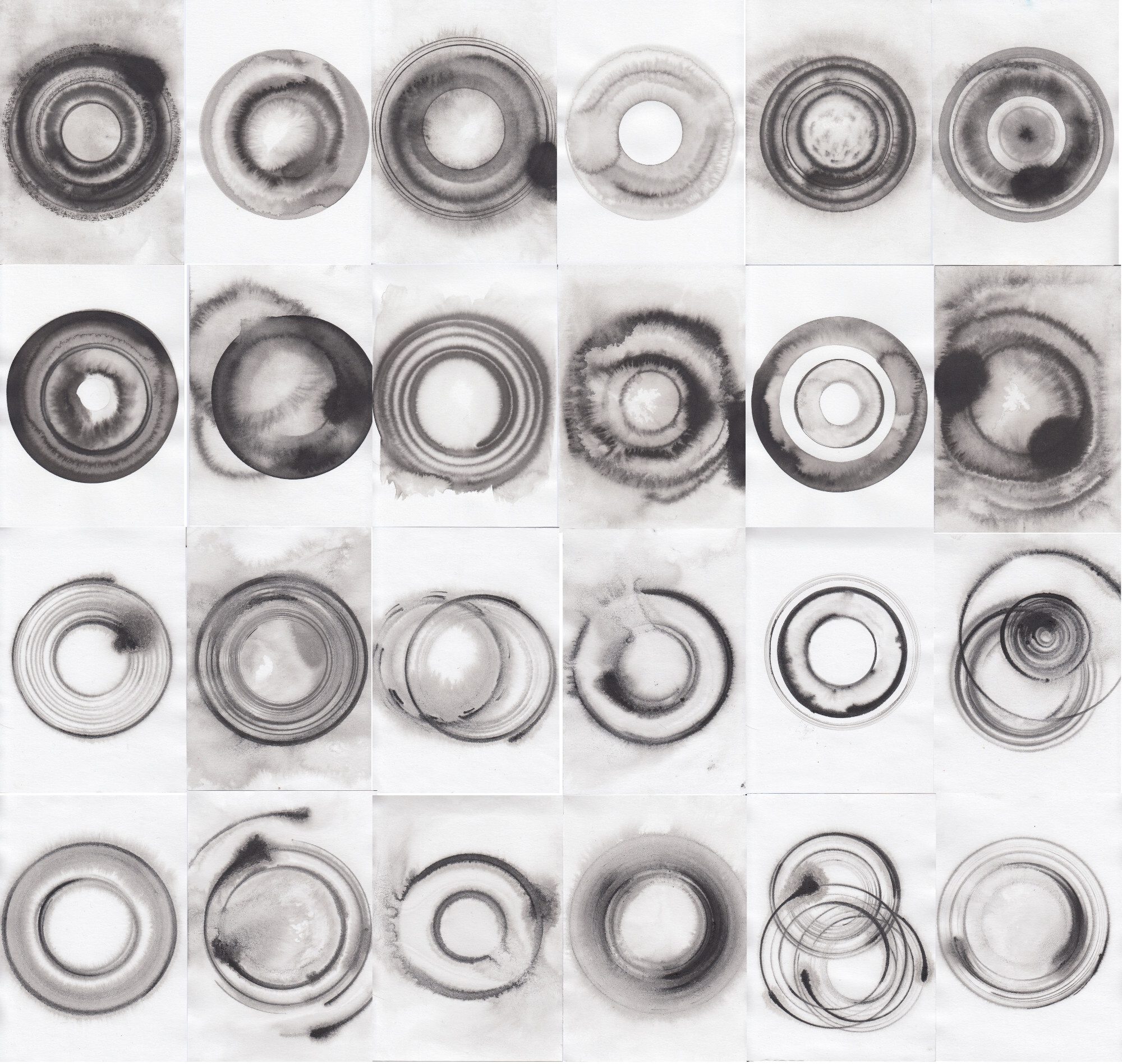
Drawing is the practice of making marks through line, tone, and texture. It is one of the most direct and adaptable artforms, used for observation, invention, and expression. Materials range from pencil, ink, and charcoal on paper to digital tools and unconventional surfaces.
Techniques include sketching, shading, cross-hatching, digital drawing, and large-scale or spatial mark-making. Processes might involve quick studies, detailed renderings, or experimental approaches that extend drawing into installation, performance, or animation.
Drawing operates across many contexts, from recording and planning to autonomous artworks and experimental practice.
Installation
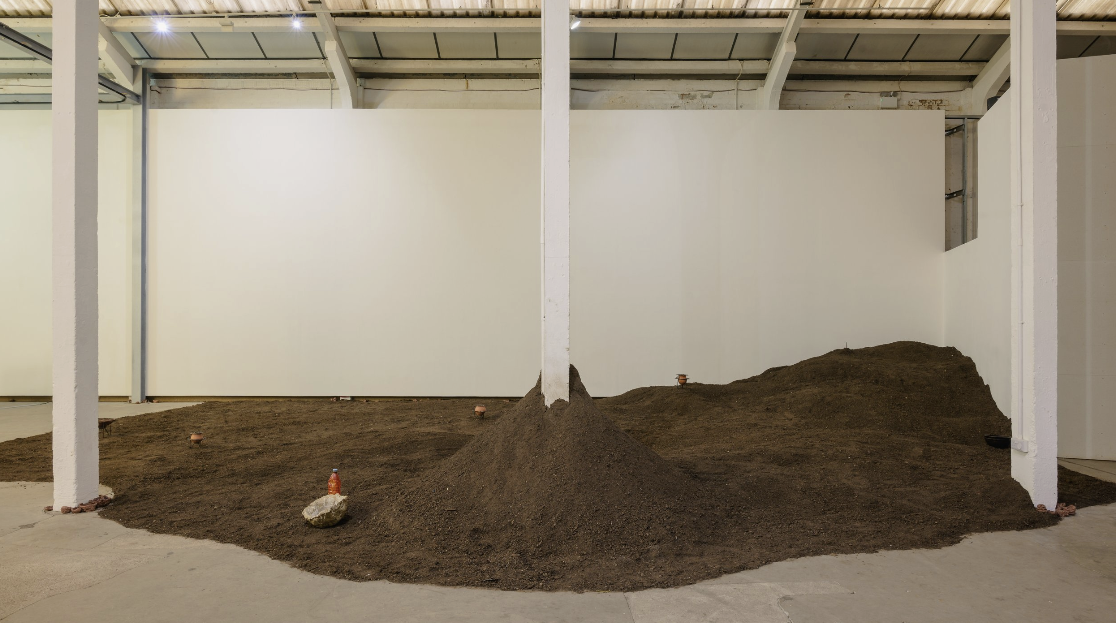
Installation art is the practice of creating artworks that transform how a space is experienced. Unlike traditional art objects, installations often surround or involve the viewer, creating an environment rather than a single piece to be observed in isolation.
Techniques may include arranging objects, working with scale, or using light, sound, video, and other media. Processes are frequently site-specific, developed in response to a particular location or context, and may be temporary or permanent.
Installation is not a fixed discipline but a way of working with space, perception, and encounter. It can be sculptural, immersive, or interactive, often combining multiple artforms and inviting audiences to experience art physically, socially, or atmospherically.
Jewellery and Metalwork
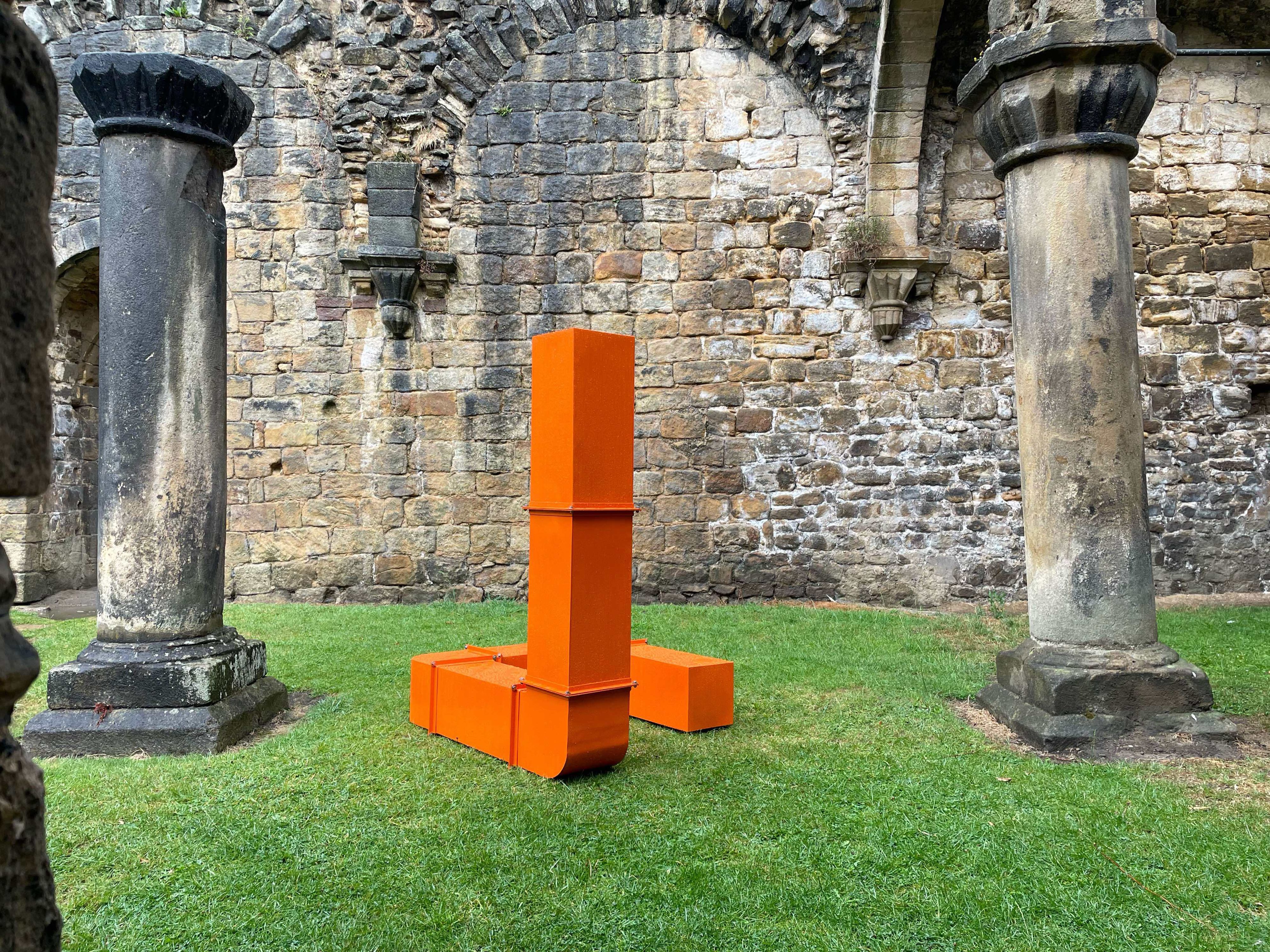
Jewellery and metalwork involve shaping and constructing objects from metal, ranging from intimate, wearable pieces to large-scale sculptural forms. Both draw on traditions of craft and design while extending into contemporary artistic practice.
Techniques include forging, casting, welding, soldering, and engraving, as well as experimental surface treatments and the combination of metals with other materials. Processes can be highly technical, but also improvisational or conceptual, depending on the intent of the work.
In a contemporary context jewellery and metalwork may move beyond adornment or utility, engaging with identity, body, and space. Works can be decorative, functional, sculptural, or conceptual, often blurring the line between fine art and applied art.
Mixed Media
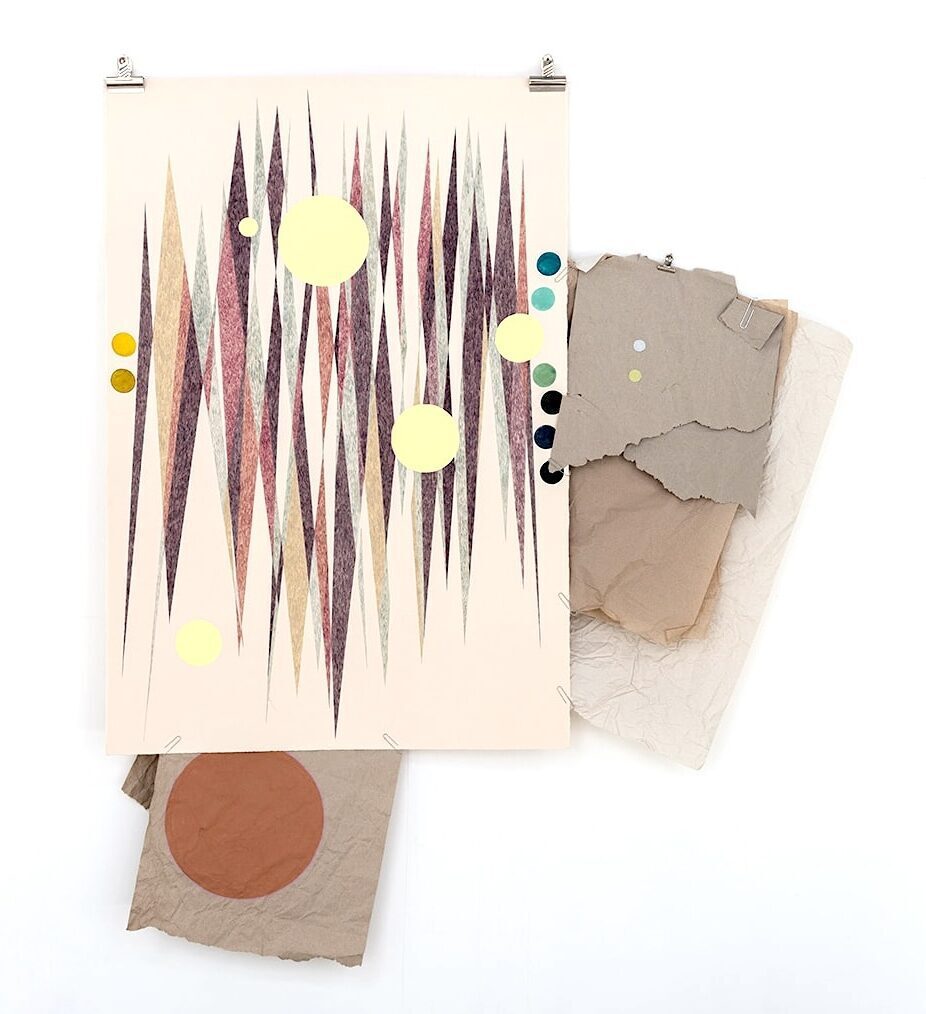
Mixed media refers to artworks that combine more than one material or technique within a single piece. It challenges traditional categories by allowing different forms to coexist and interact.
Techniques might include layering paint with collage, combining drawing with photography, or integrating found objects with digital elements. Processes often involve experimentation, reworking, and the juxtaposition of materials with contrasting qualities.
Mixed media can result in two-dimensional works, three-dimensional assemblages, or installations that blur the boundary between object, image, and environment. The approach opens up possibilities for artists to test connections, contrasts, and new combinations across artforms.
Moving Image
Nick Grellier, Ectoplasm, 2024
Film and video art use moving images as a primary medium. Emerging in the 1950’s and 1960’s with the availability of video technology, the form distinguishes itself from cinema by moving beyond conventional storytelling and narrative structures.
Techniques include single-channel video, multi-screen projection, installation, and live or recorded performance with sound. Processes may involve filming, editing, animation, digital manipulation, or combining recorded footage with other media.
Film and video may be presented in galleries, online platforms, public spaces, or as part of installation and performance. The form is often experimental and interdisciplinary, engaging with sound, technology, and the experience of time and space.
Painting
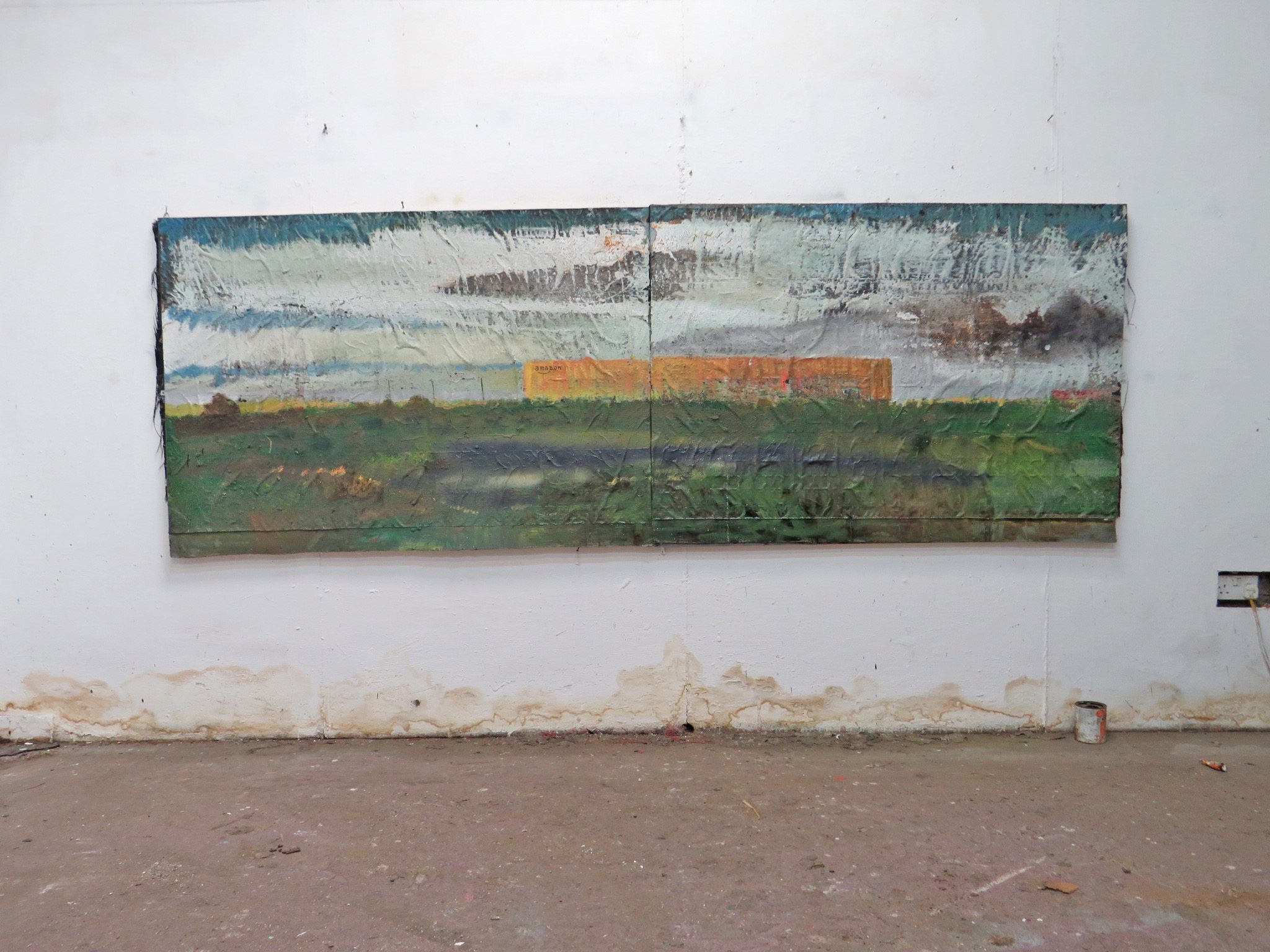
Painting is the practice of applying materials to a surface to create an image, surface, or composition. Traditionally this involved pigment mixed into paint, but artists also work with a wide range of other substances and mediums.
Techniques include working with oil, acrylic, watercolour, ink, or mixed pigments, applied with brushes, knives, rollers, or other tools. Processes may involve layering, glazing, impasto, or experimental methods that alter surface and texture. Supports are often canvas, wood, or paper but may also include found objects and architectural surfaces.
Painting is a space for experimentation, using scale, gesture, installation, and digital processes to expand what painting can be.
Performance
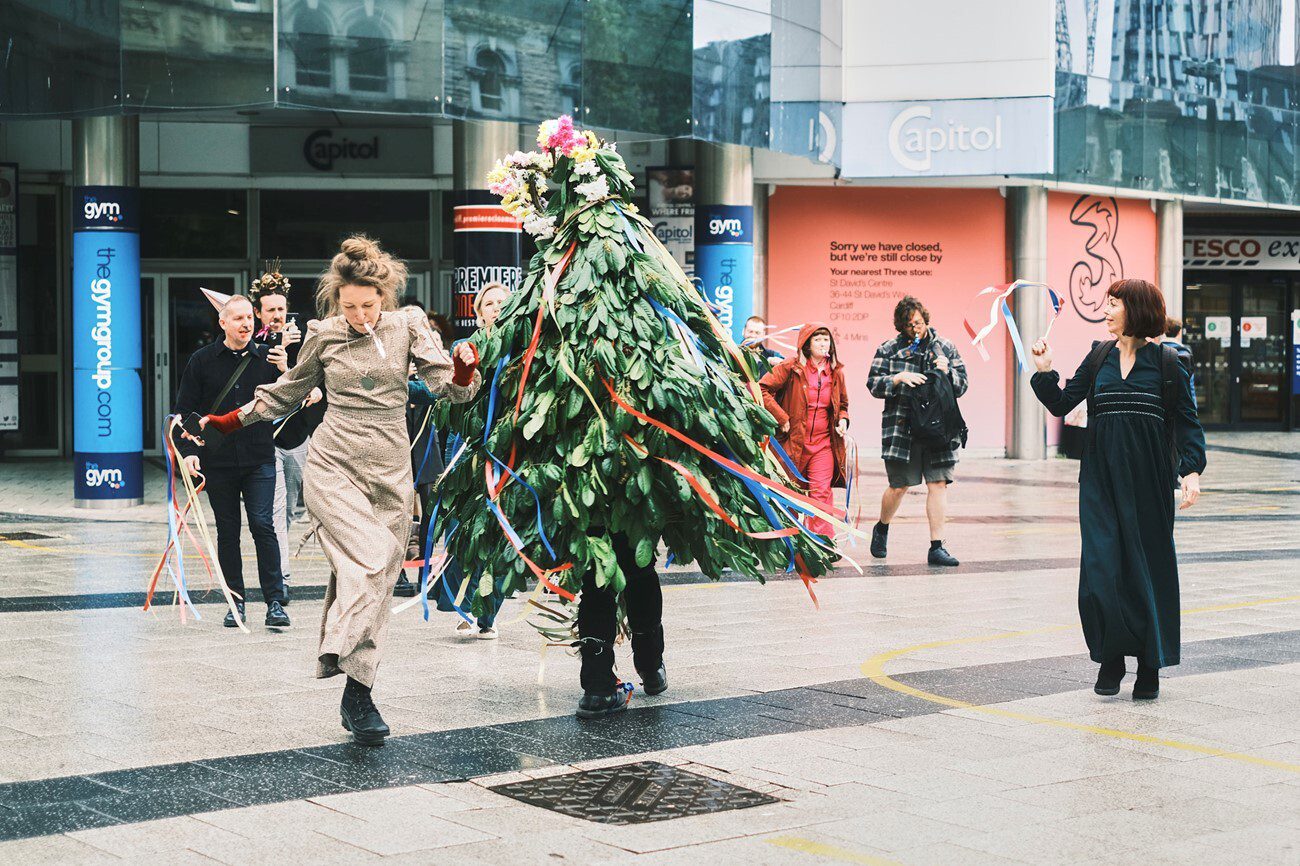
Performance is a way of making art that centres on actions executed by the artist or other participants in a live or recorded, spontaneous or scripted structure. Emerging in the late 20th century, performance art developed as a rejection of traditional art objects and markets, often using the artist’s body as material, site, and medium.
Techniques and processes include action, improvisation, and participation, often combined with sound, video, installation, or digital media. Time, place, and encounter are central, with works unfolding in direct relation to those experiencing them.
Performance art is a field of exploration and experience. Due to its non-traditional physical outputs it aims at engaging the viewer's ideas through intimate one-to-one exchanges or gatherings where the audience can be provoked or challenged.
Photography
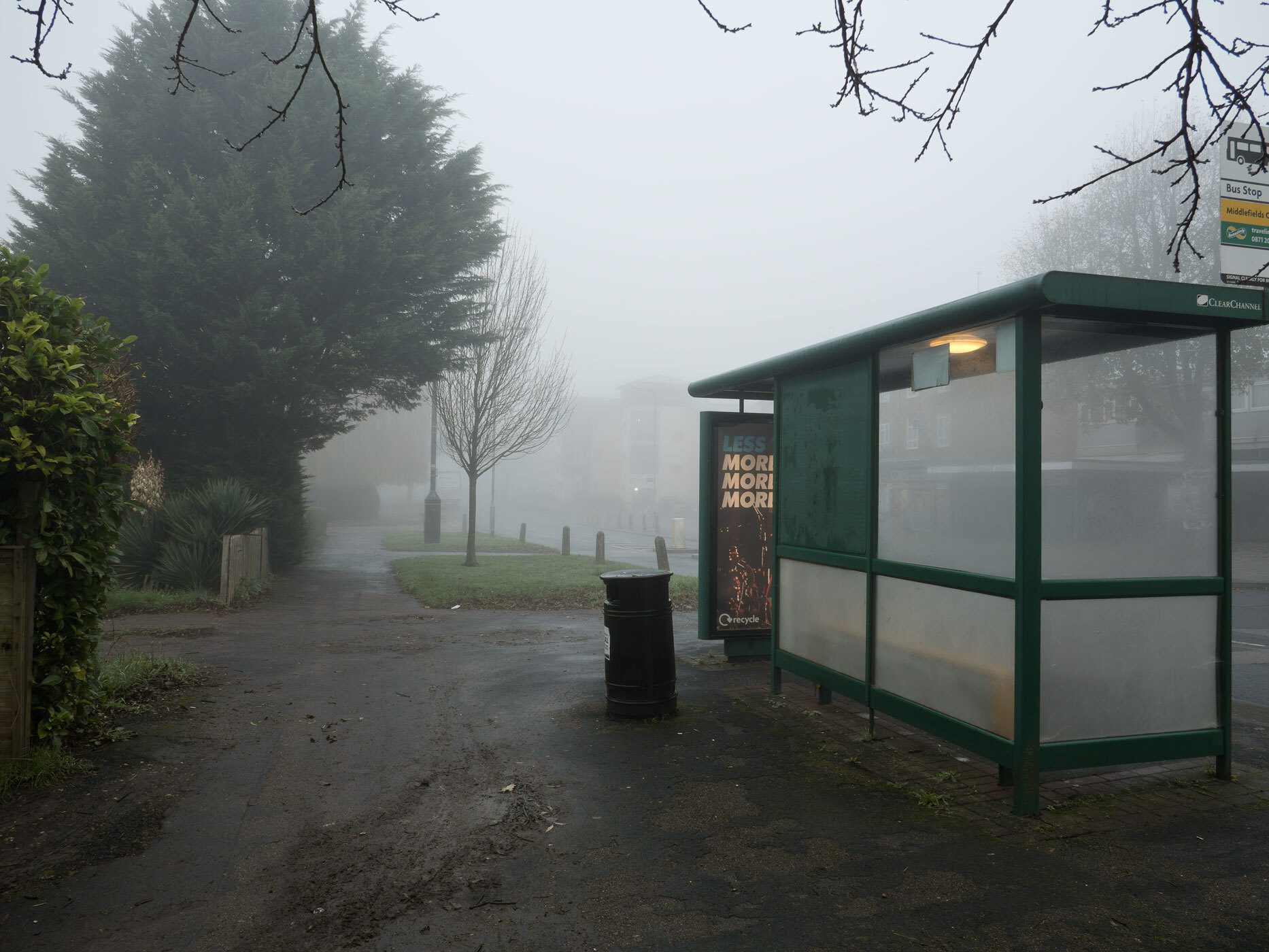
Photography is the practice of creating images with light, usually captured through a camera. It began as a chemical process using film and has expanded to include digital methods and experimental approaches.
Techniques include analogue film photography, digital capture, darkroom printing, and digital editing. Processes may involve staged or documentary work, long exposure, photomontage, or alternative methods such as cyanotype, pinhole, or scanner-based photography.
Photography can question reality, perception, and memory. It can document, construct, or manipulate, and often expands into installation, moving image, publishing, and online forms to test the boundaries of what photography can be.
Printmaking
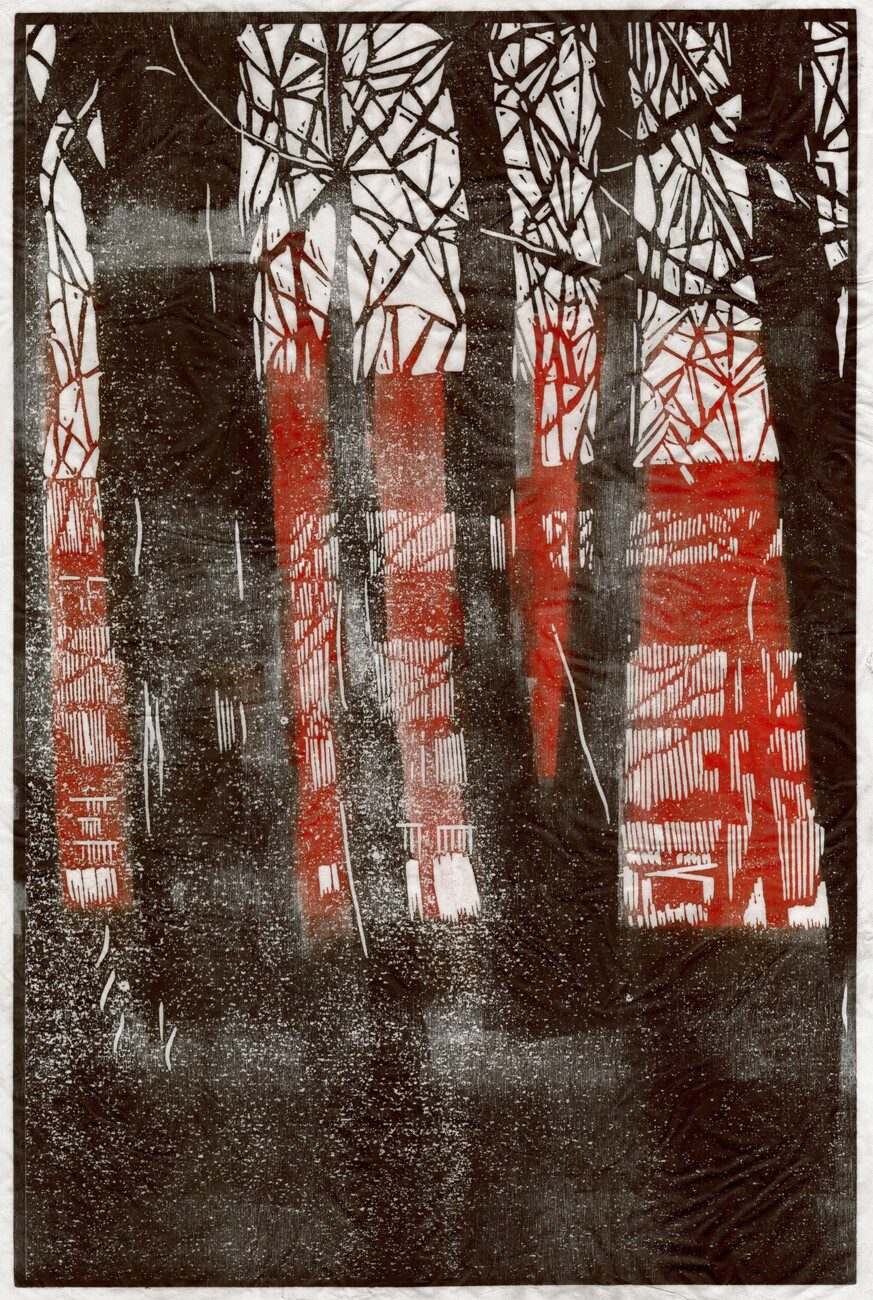
Printmaking is the process of transferring an image or design from a prepared surface onto another material, most often paper or fabric. It is one of the oldest artforms and encompasses both traditional and experimental methods.
Techniques include relief printing such as woodcut and linocut, intaglio methods like etching and engraving, lithography, screen printing, and more recent approaches that combine digital and analogue processes. Editions, multiples, and variations are often central to the practice.
Printmaking offers a space to explore repetition, variation, and sequence. It can generate single works, series, artists’ books, or installations, opening up ways of reworking and reimagining images across different contexts.
Sculpture
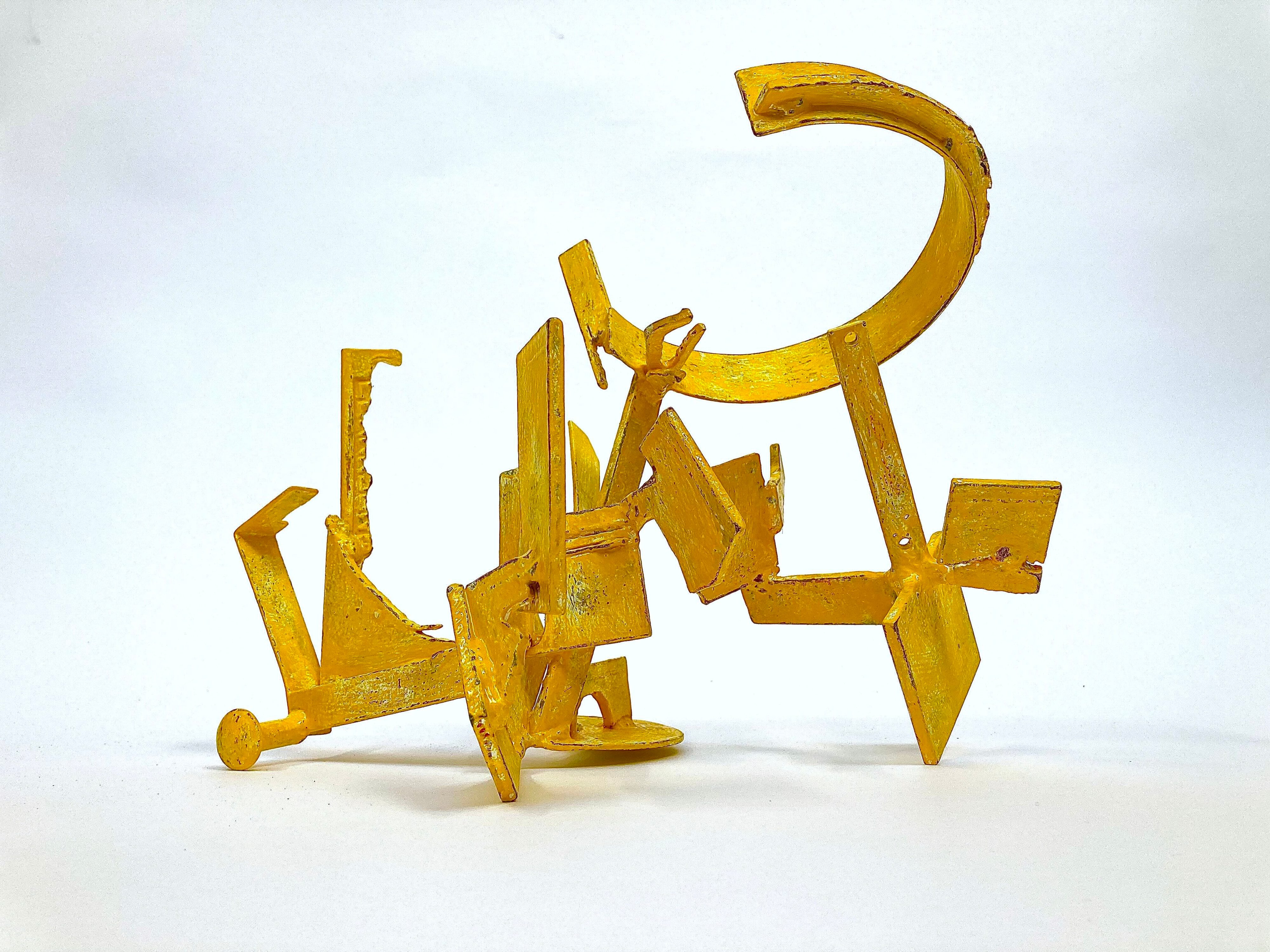
Sculpture is the practice of creating three-dimensional forms, whether representational or abstract. It is one of the oldest artforms and continues to evolve through new approaches, materials, and contexts.
Techniques include carving, modelling, casting, and assembling, using materials such as stone, wood, clay, metal, and found objects. Processes may be additive or subtractive, hand-made or industrial, temporary or permanent.
Sculpture extends into installation, public art, digital fabrication, and environmental works, engaging with scale, site, and material to reshape how form and space are experienced.
Sound
Mary Hooper, Summer Thunder storm, 2025
Sound art is a practice where sound is the primary material and focus of the work. It may involve recorded, generated, or manipulated sound, as well as silence, resonance, and listening as part of the artistic experience.
Techniques can include field recording, sound synthesis, installation, spoken word, or experimental music. Processes often involve layering, spatialising, or transforming sound through technology, performance, or acoustic environments.
Sound art can take the form of installations, performances, or hybrid works that combine sound with image, object, or space. It often challenges how we define music and noise, opening up new ways to experience listening and the sensory dimensions of art.
Text-based / Writing
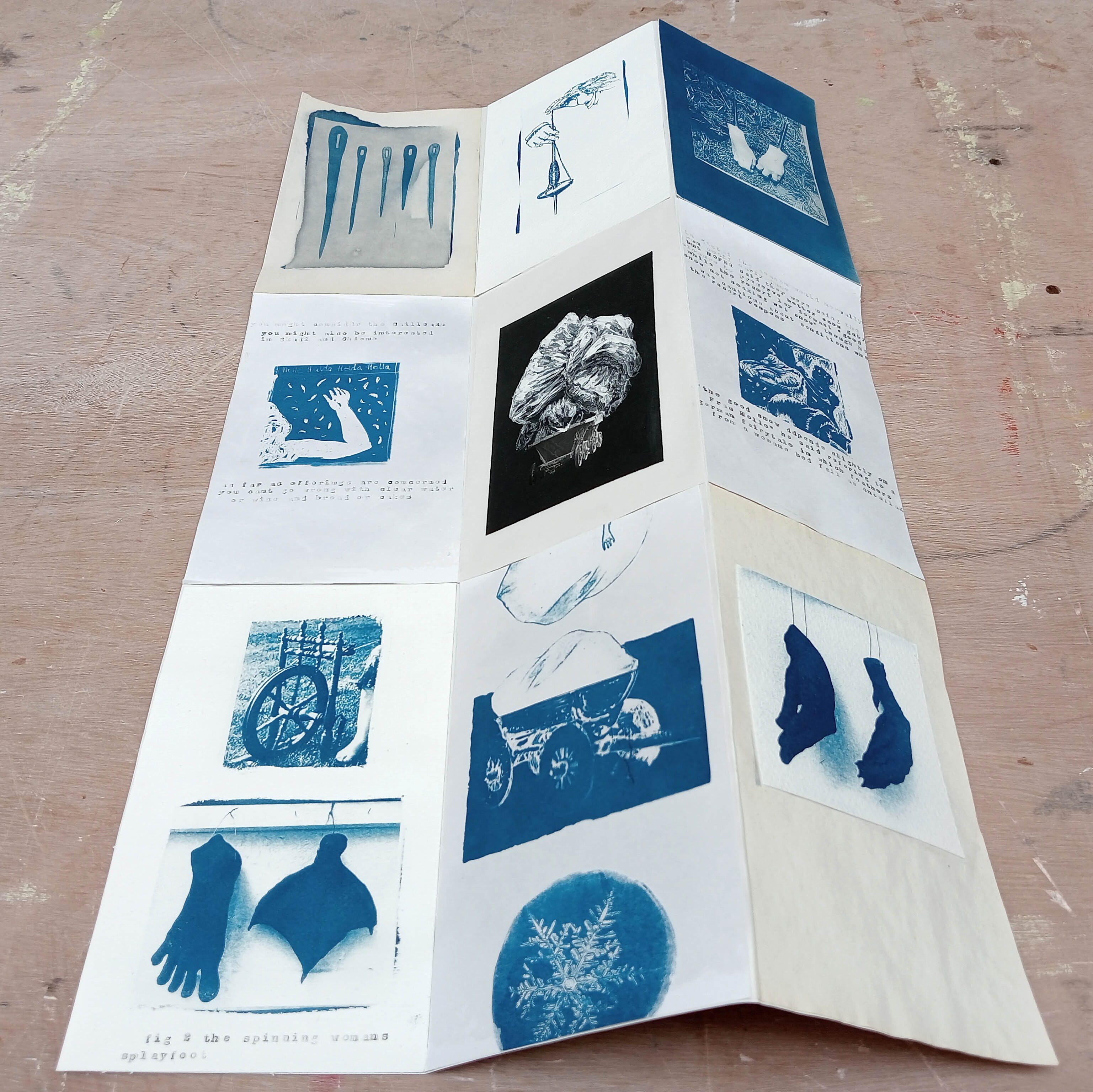
Writing and text-based art is the practice of using words, language, or typography as a central element of an artwork. It spans from calligraphy and poetry to conceptual writing and experimental uses of text in visual form.
Techniques include hand lettering, printing, digital composition, spoken word, and the use of found or appropriated text. Processes may combine text with image, performance, sound, or installation, where language might be valued for its visual presence, its meanings, or both.
Text-based art creates meaning through the presence of words in artistic contexts. It may invite reading, interpretation, or interaction, and can act as a tool for reflection, activism, or storytelling. By treating language itself as material, the practice opens up connections between literature, visual art, and everyday communication.
Textile
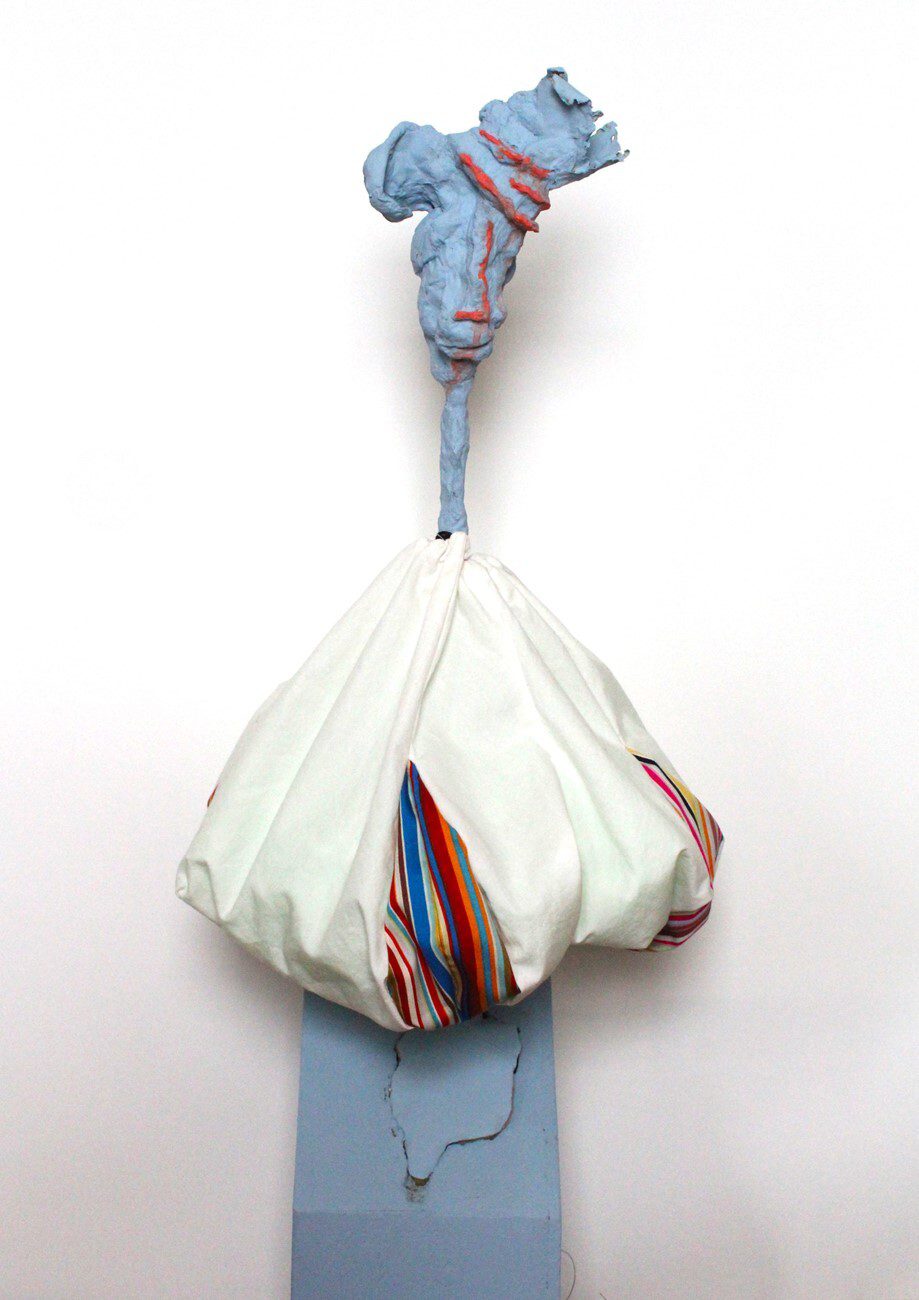
Bettina Amtag, Father, 2023
Textile art is an ancient artistic discipline in which natural sources such as plants, insects, animals, or synthetic fibers are used to construct artworks. This discipline holds a rich historical significance that spans across time and space as a way of preserving cultural heritage, storytelling, history recording and identity expression.
Techniques include embroidery, quilting, weaving, felting, and surface design which artists often use as a foundation to explore and experiment with other materials or art forms.
In textile art the choice of material, colours and style are an important part of the process that allow artists the platform to communicate emotions, memories, and narratives in a tactile and visual manner.
Share this article
Join Axis
We support artists
Funding, visibility, connection and practical help.
Membership includes £15 million of Public Liability Insurance!